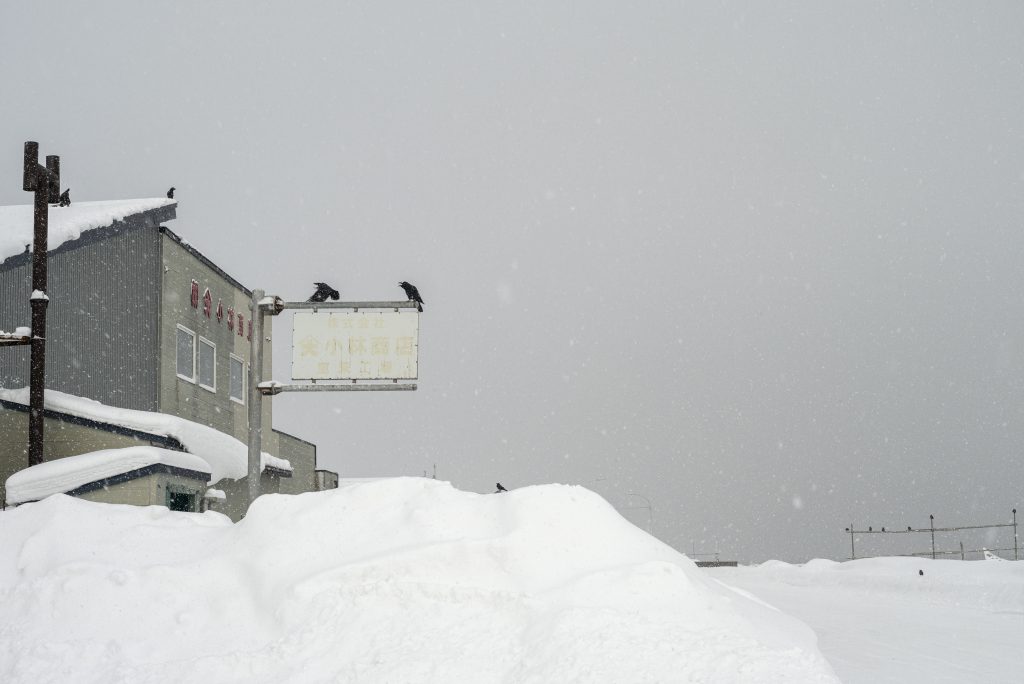
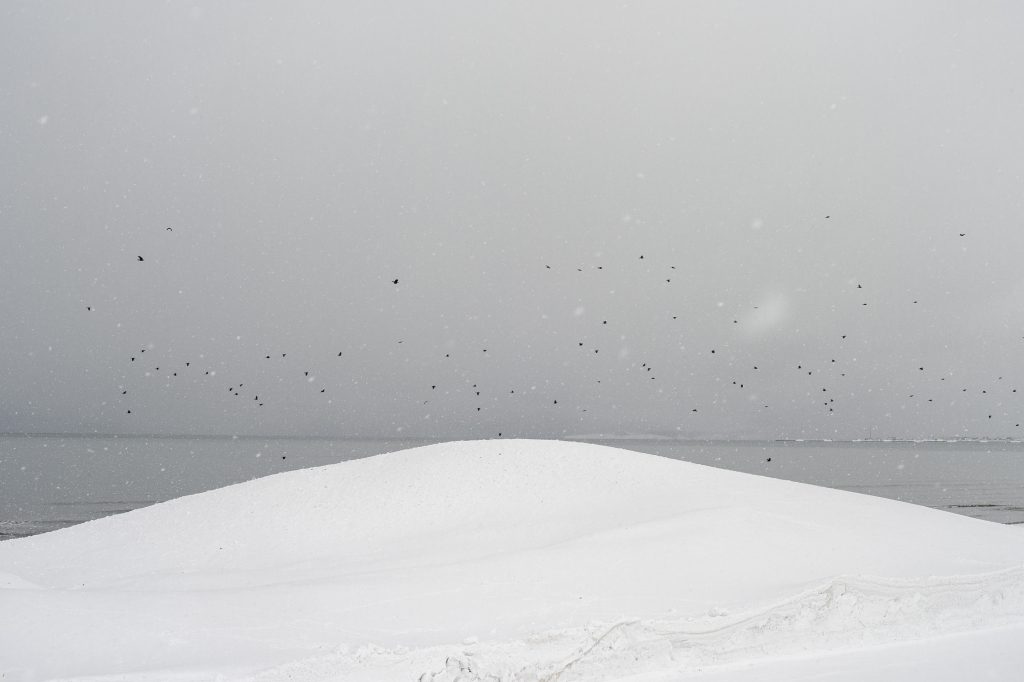
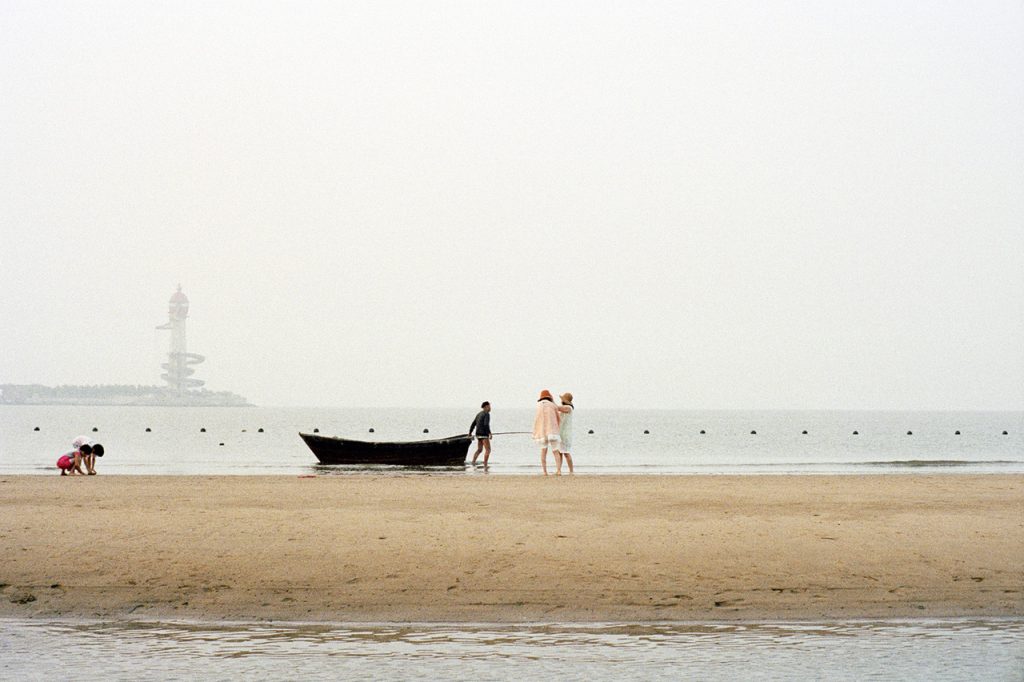
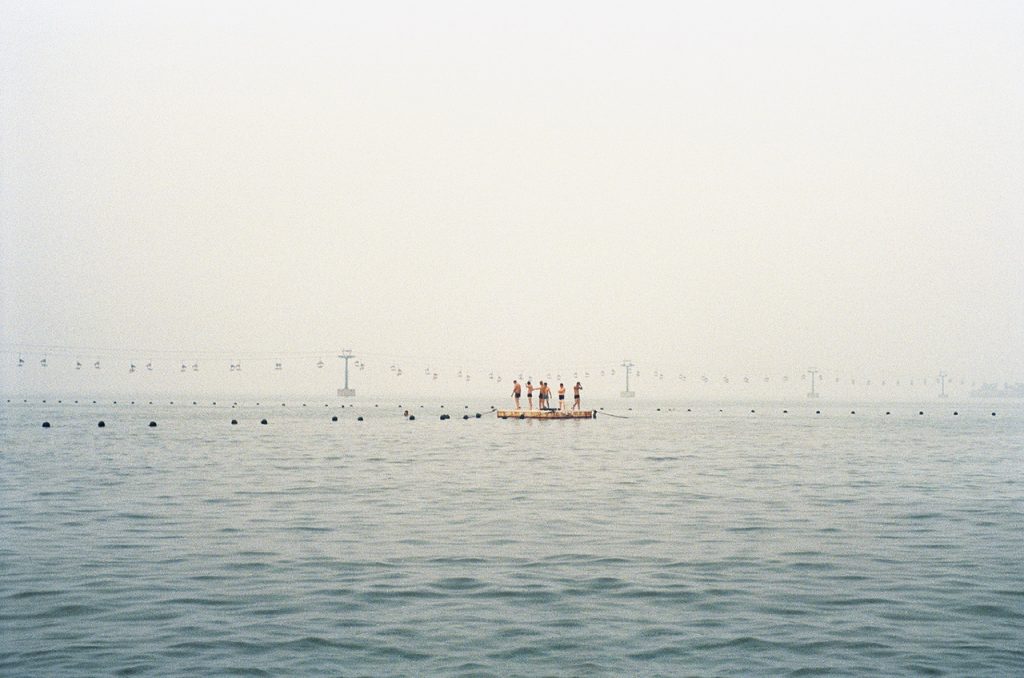
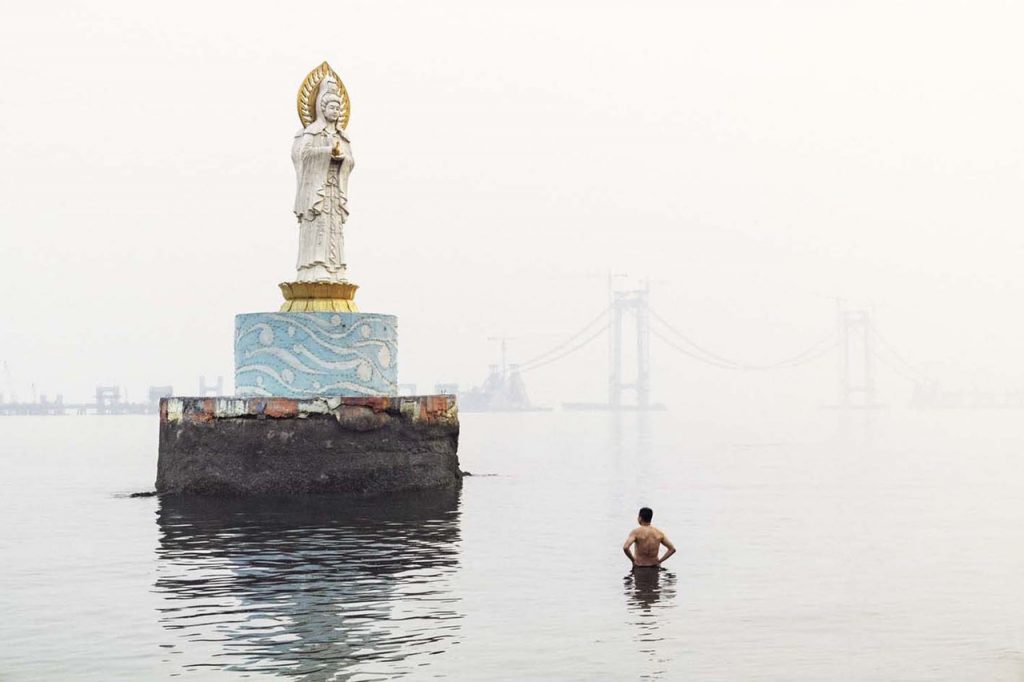
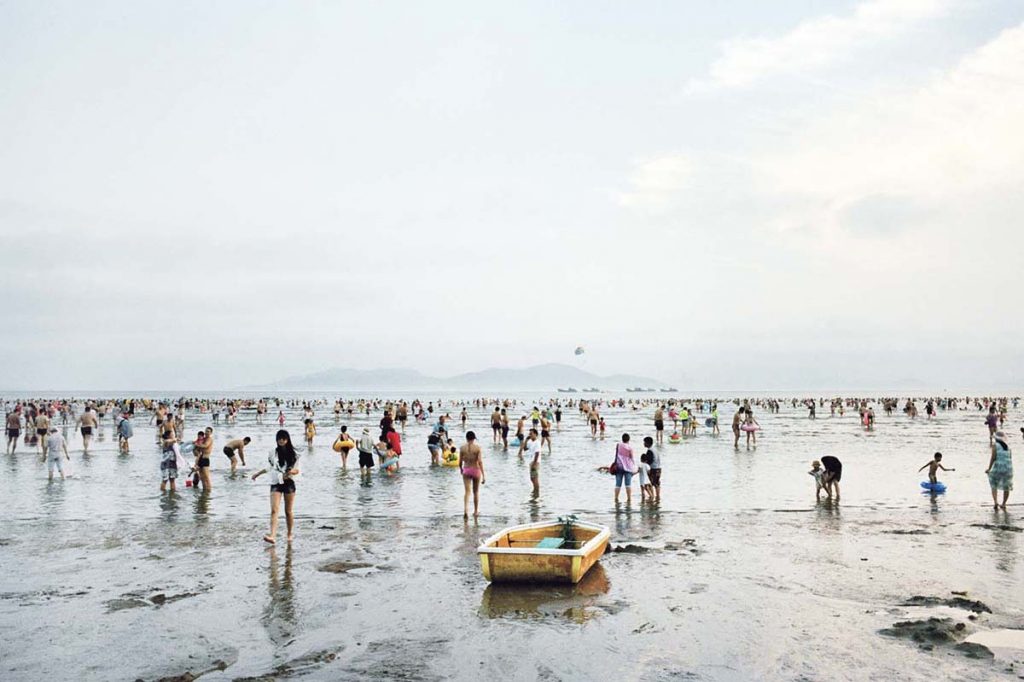
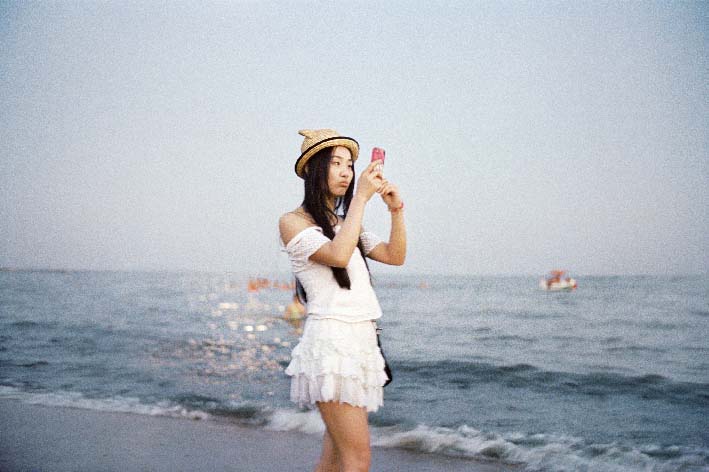
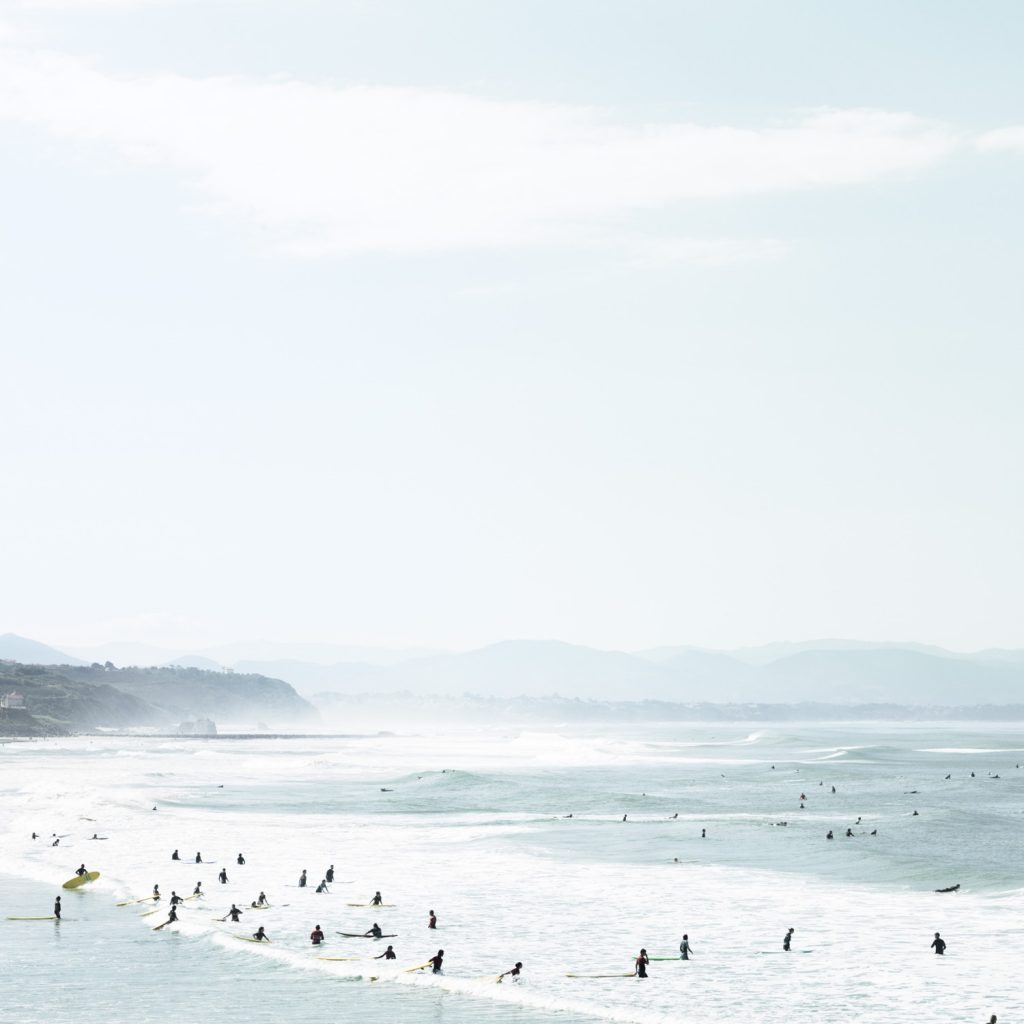
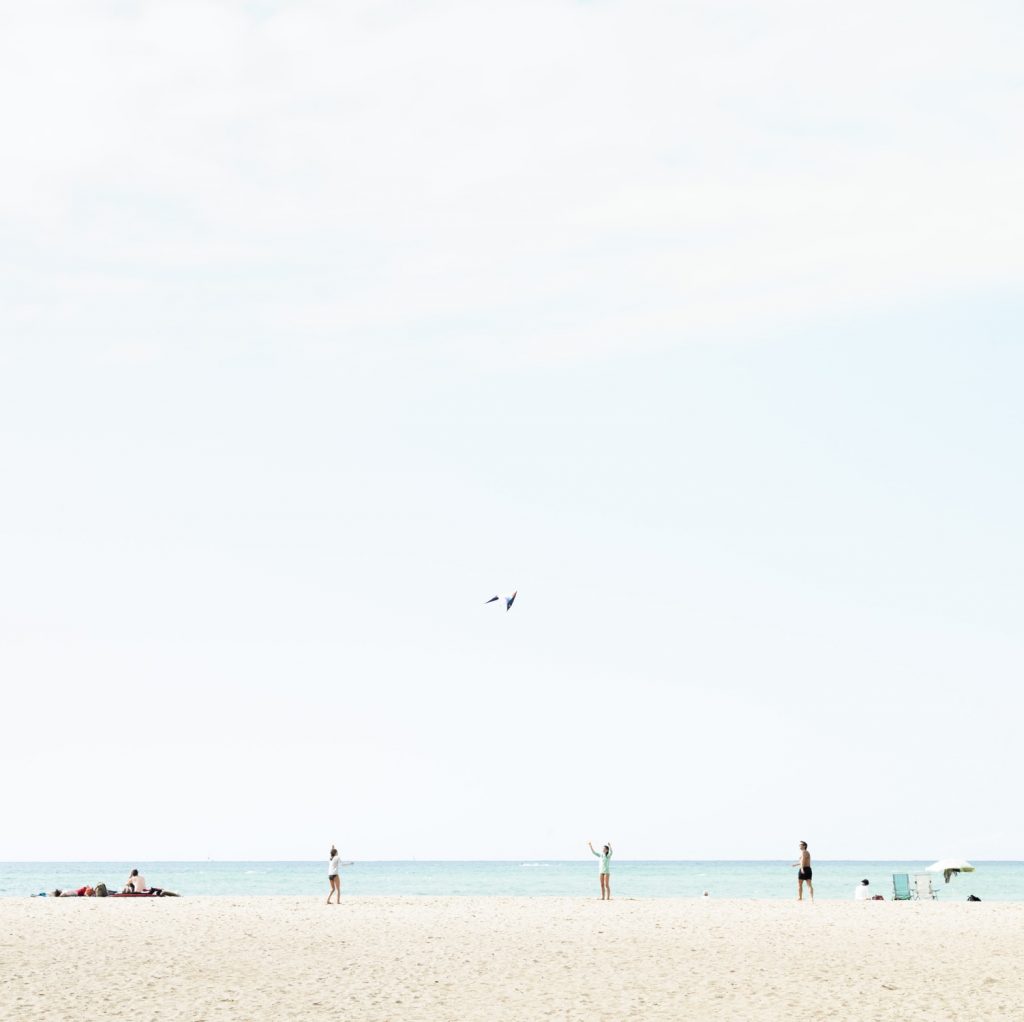
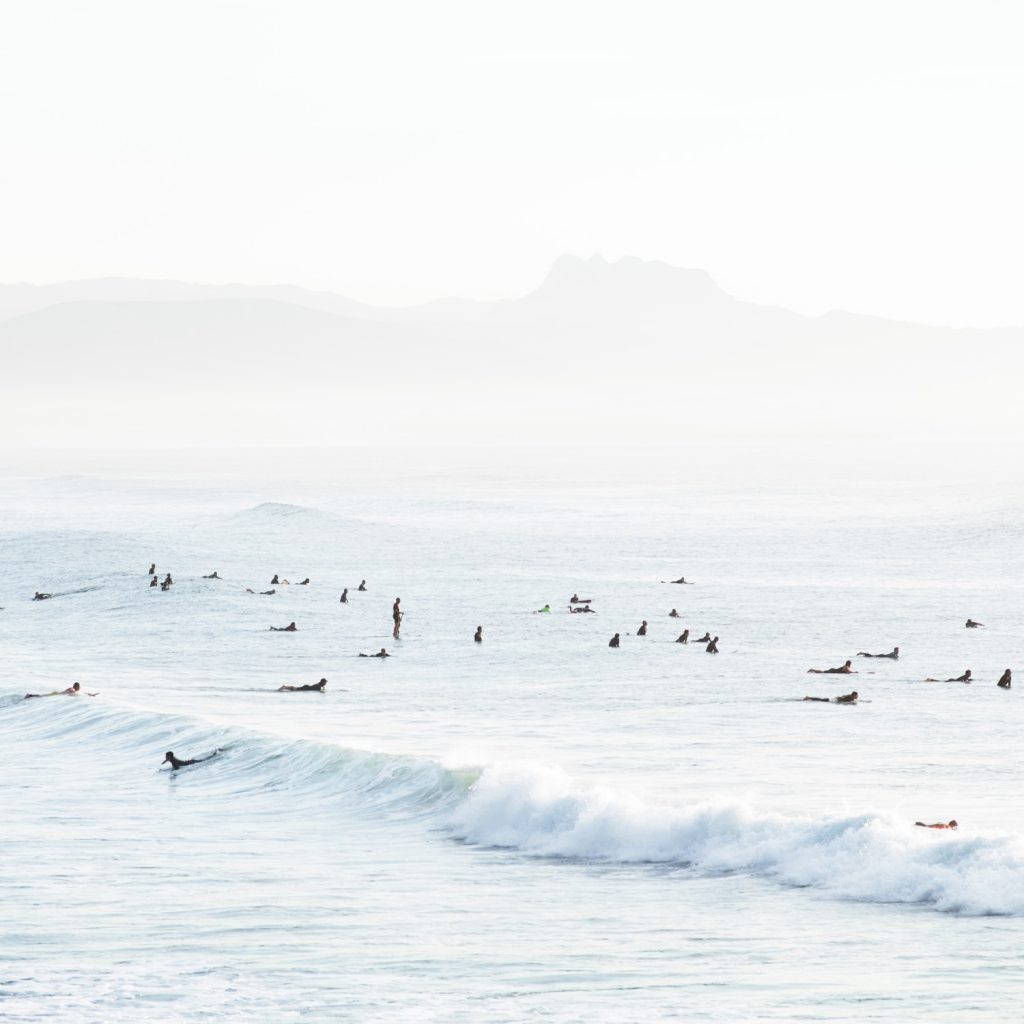
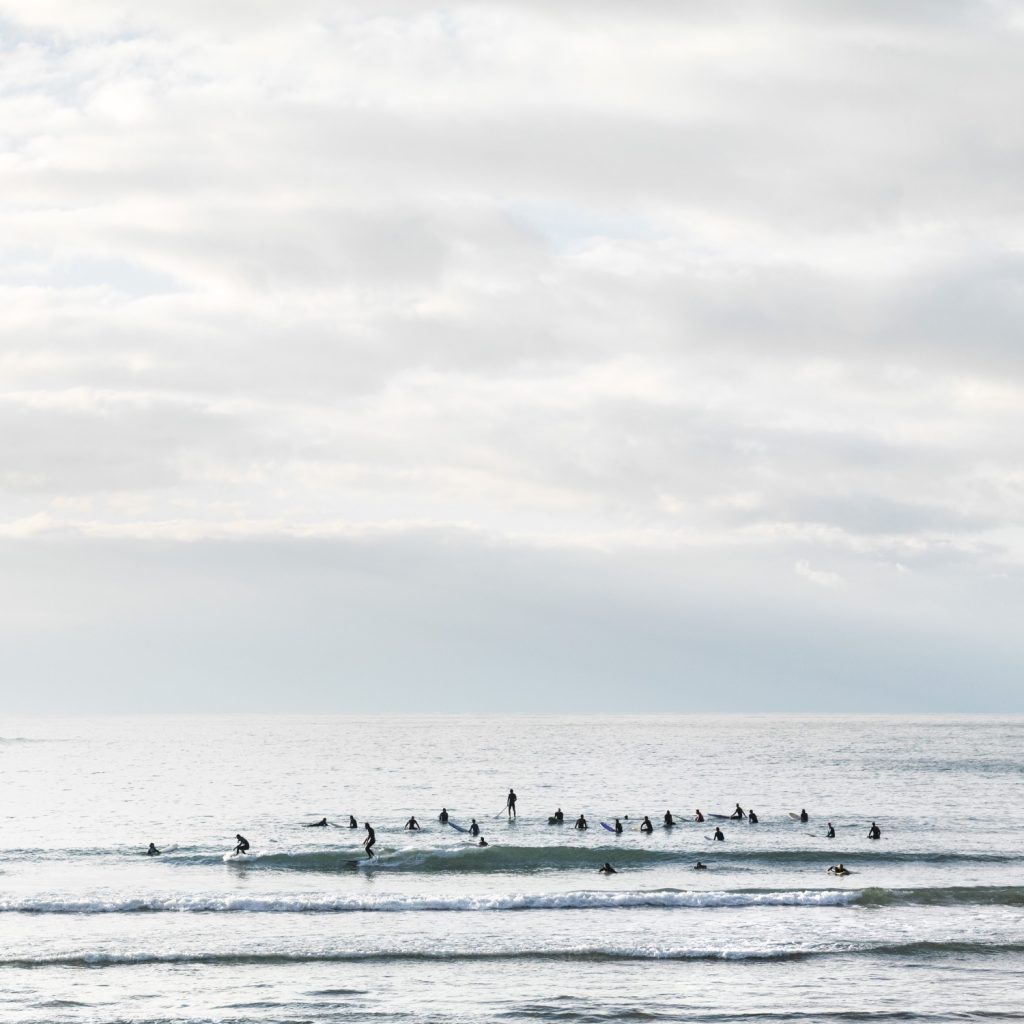
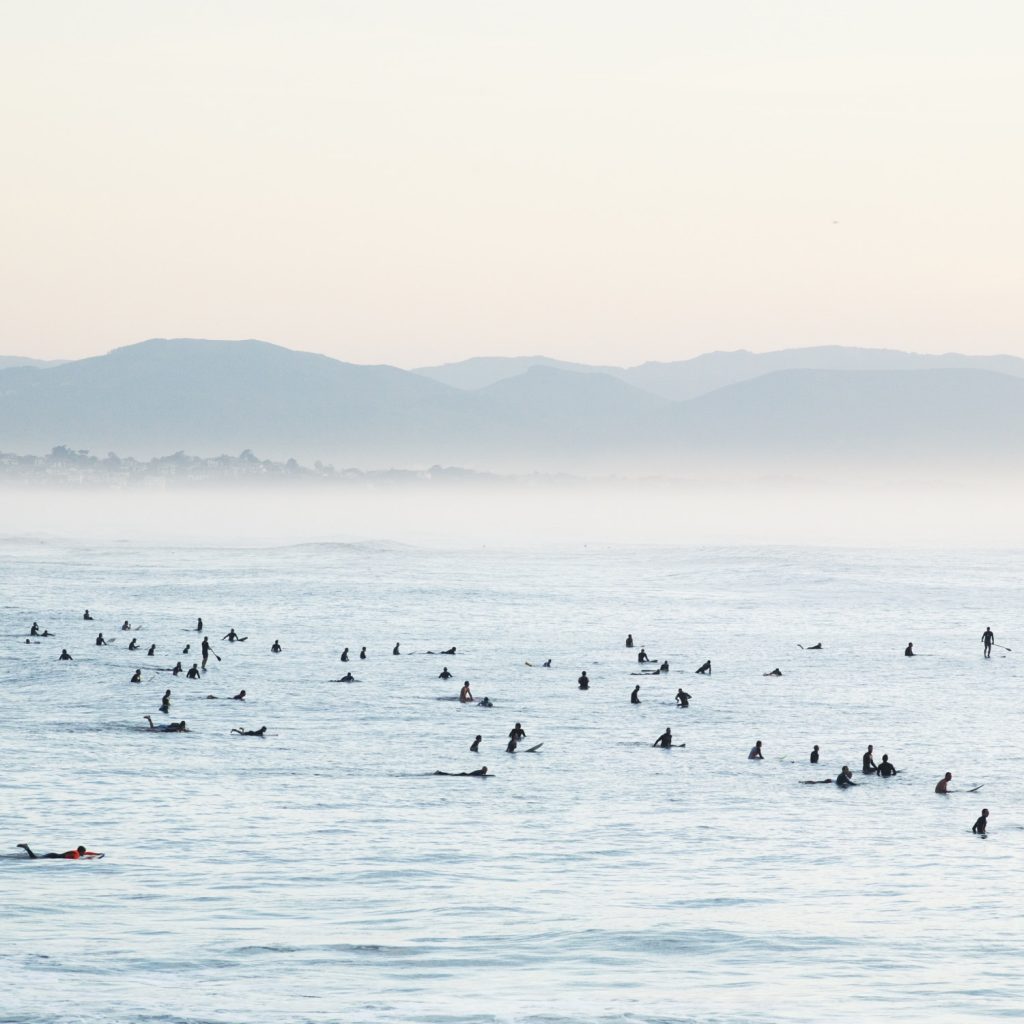
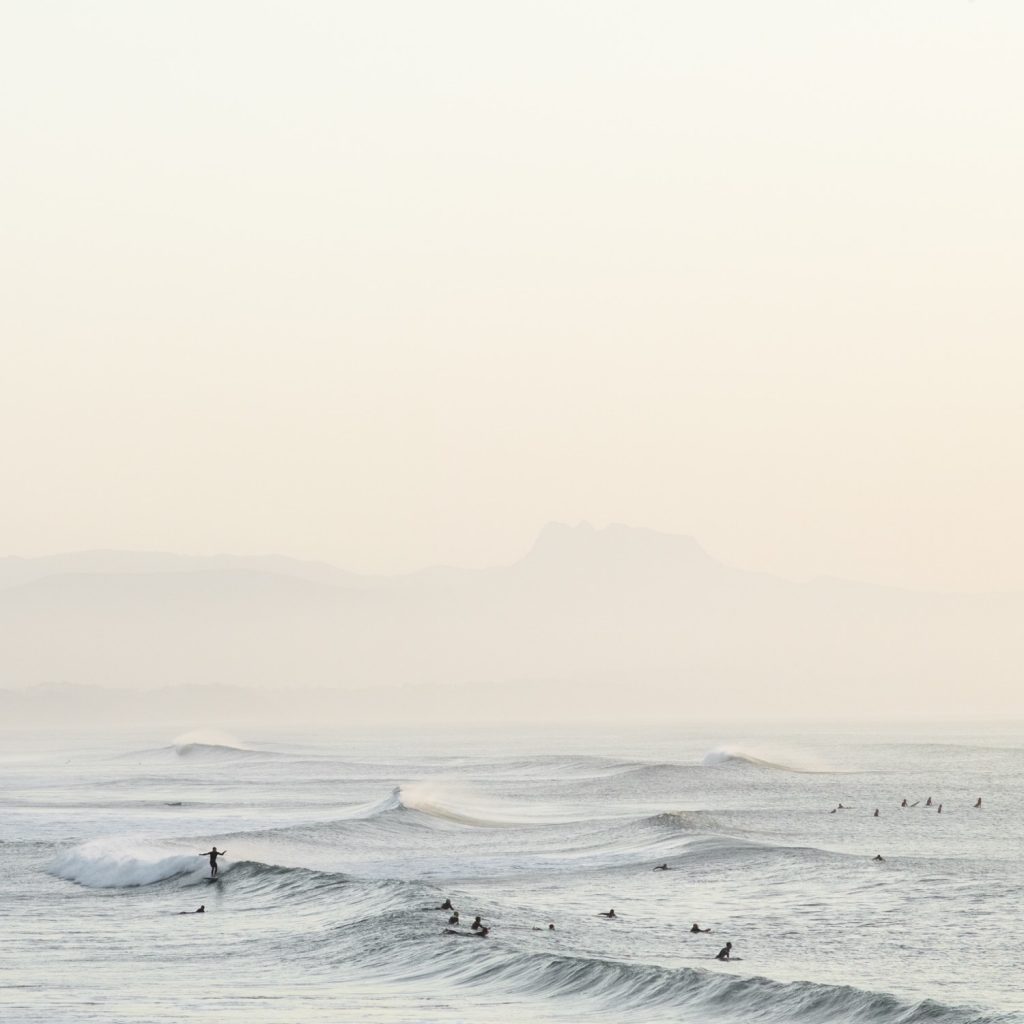
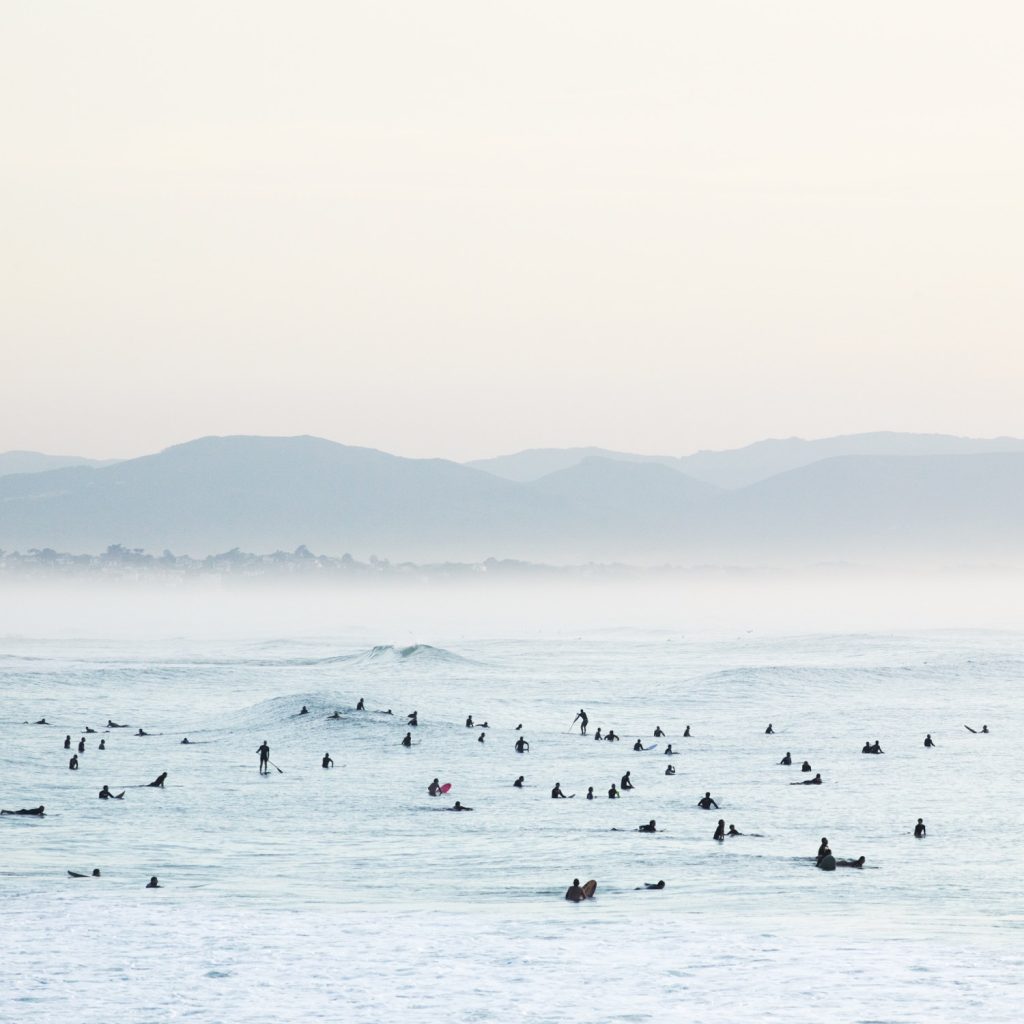
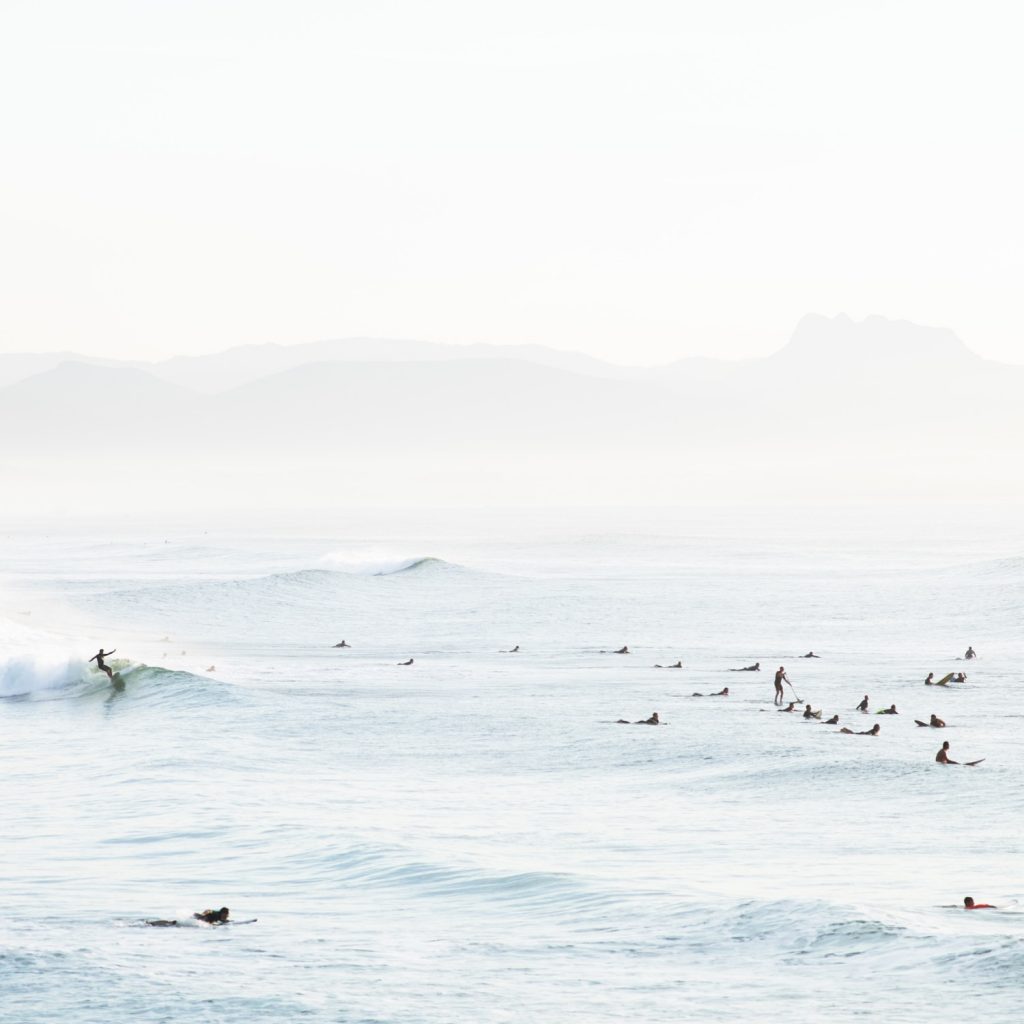
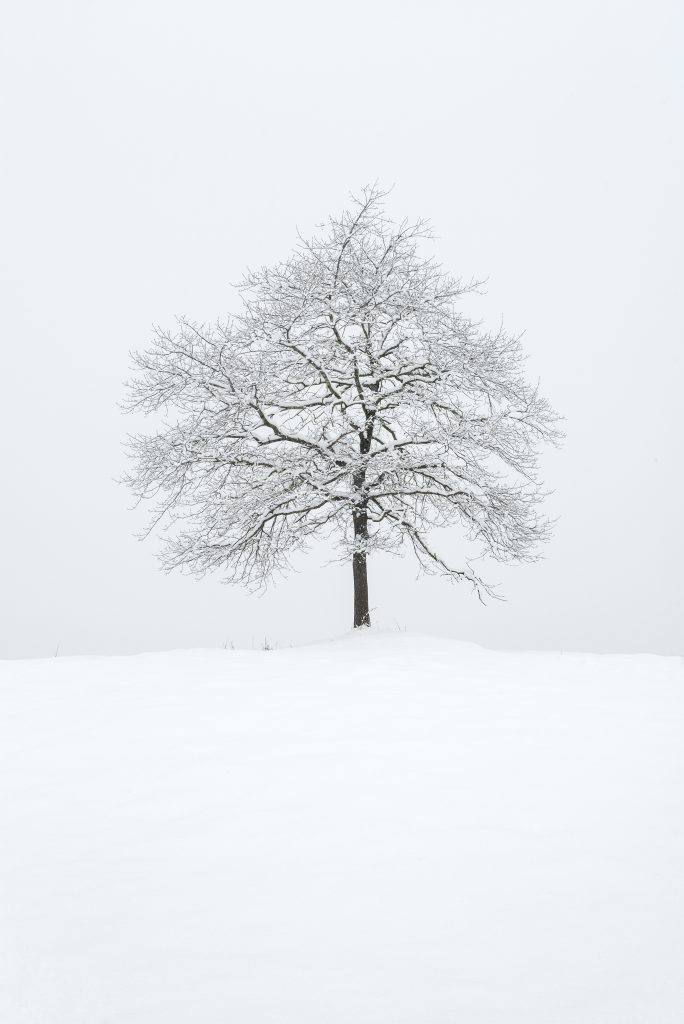
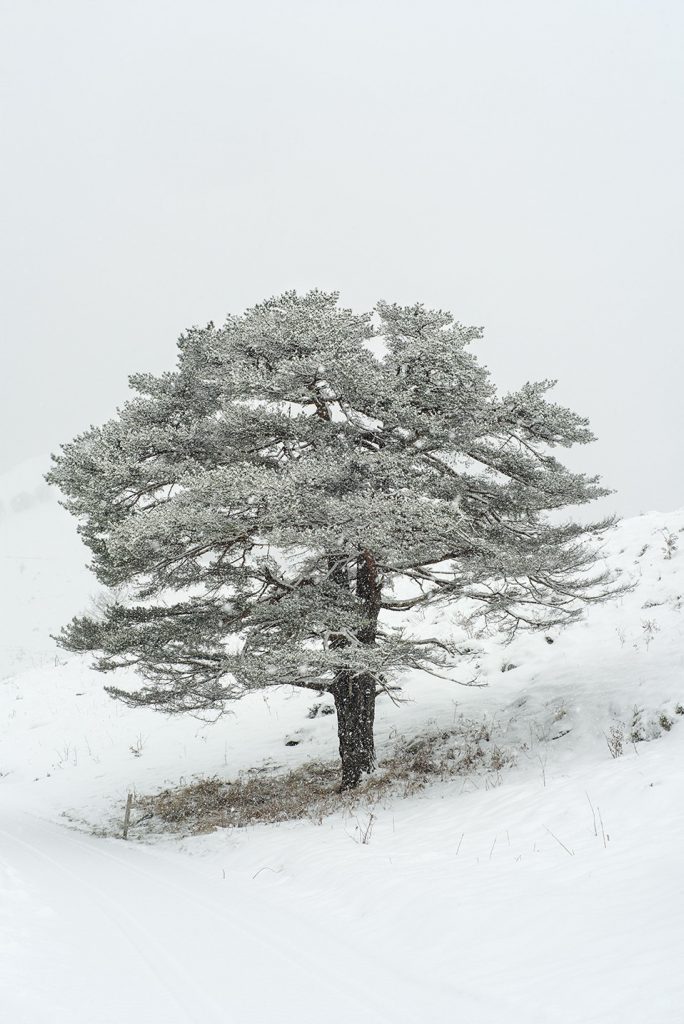
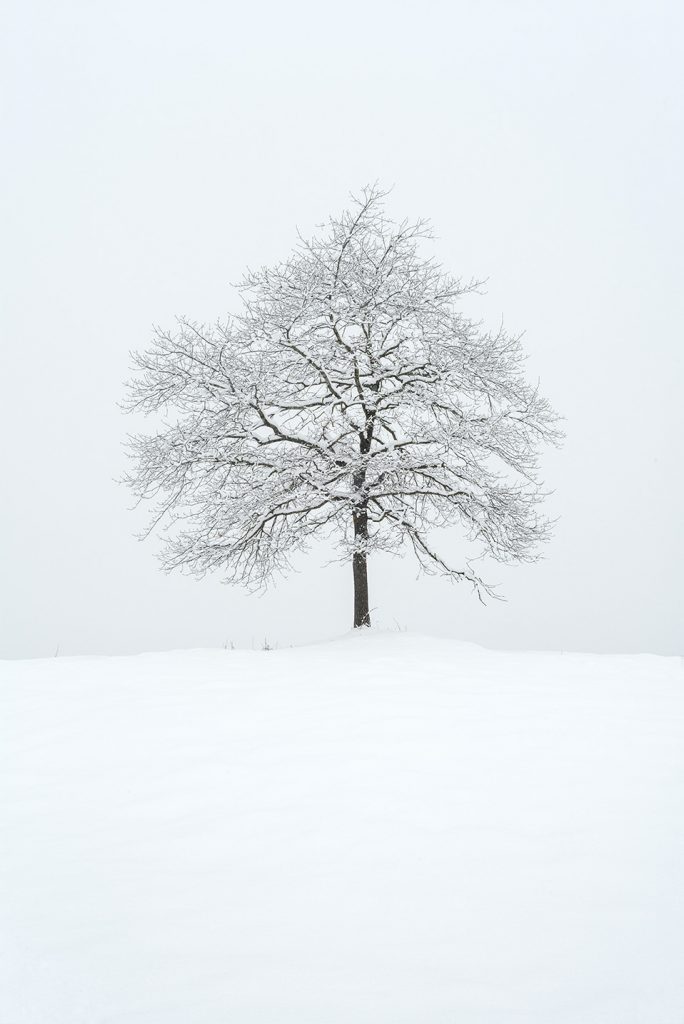
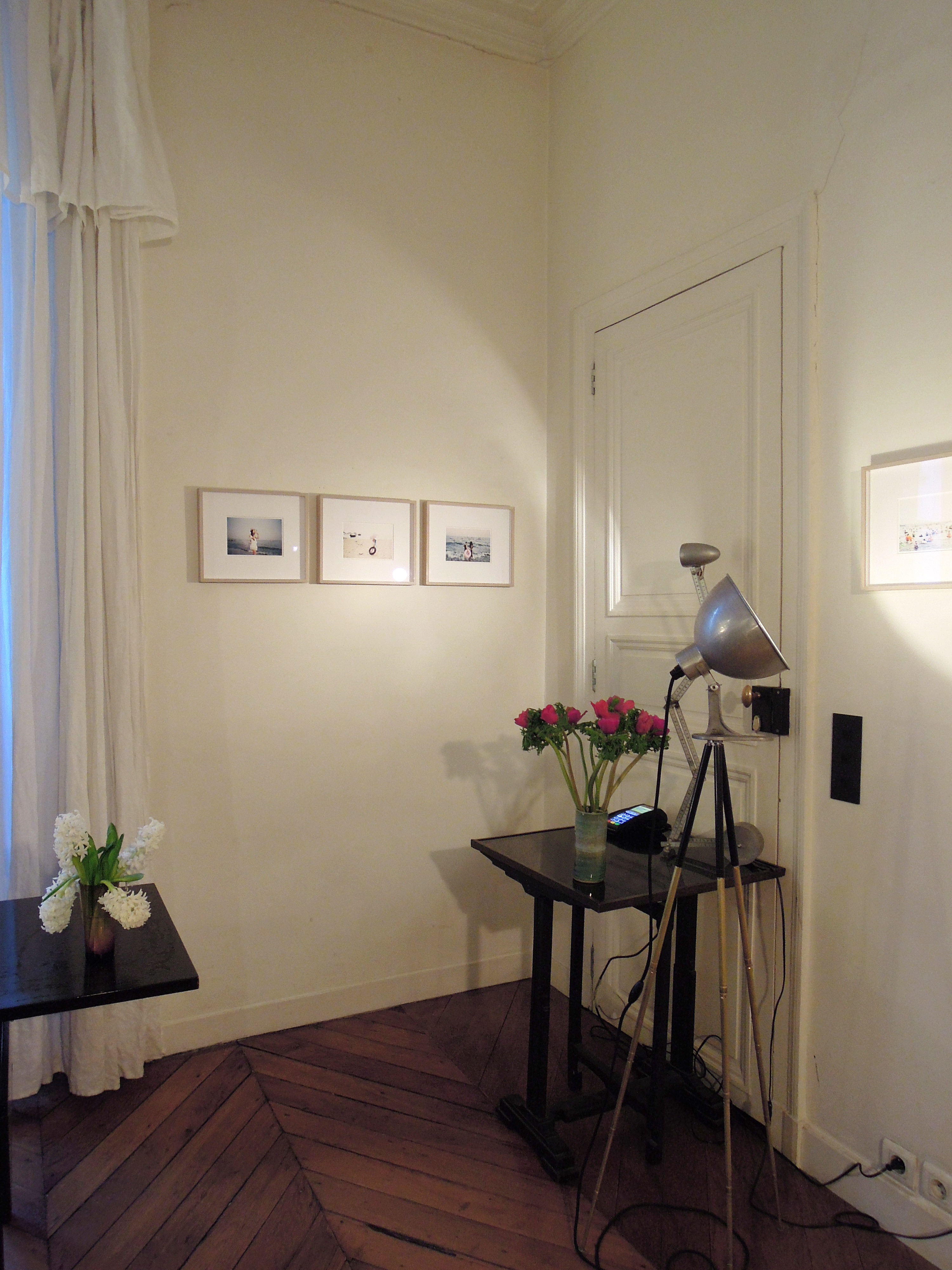
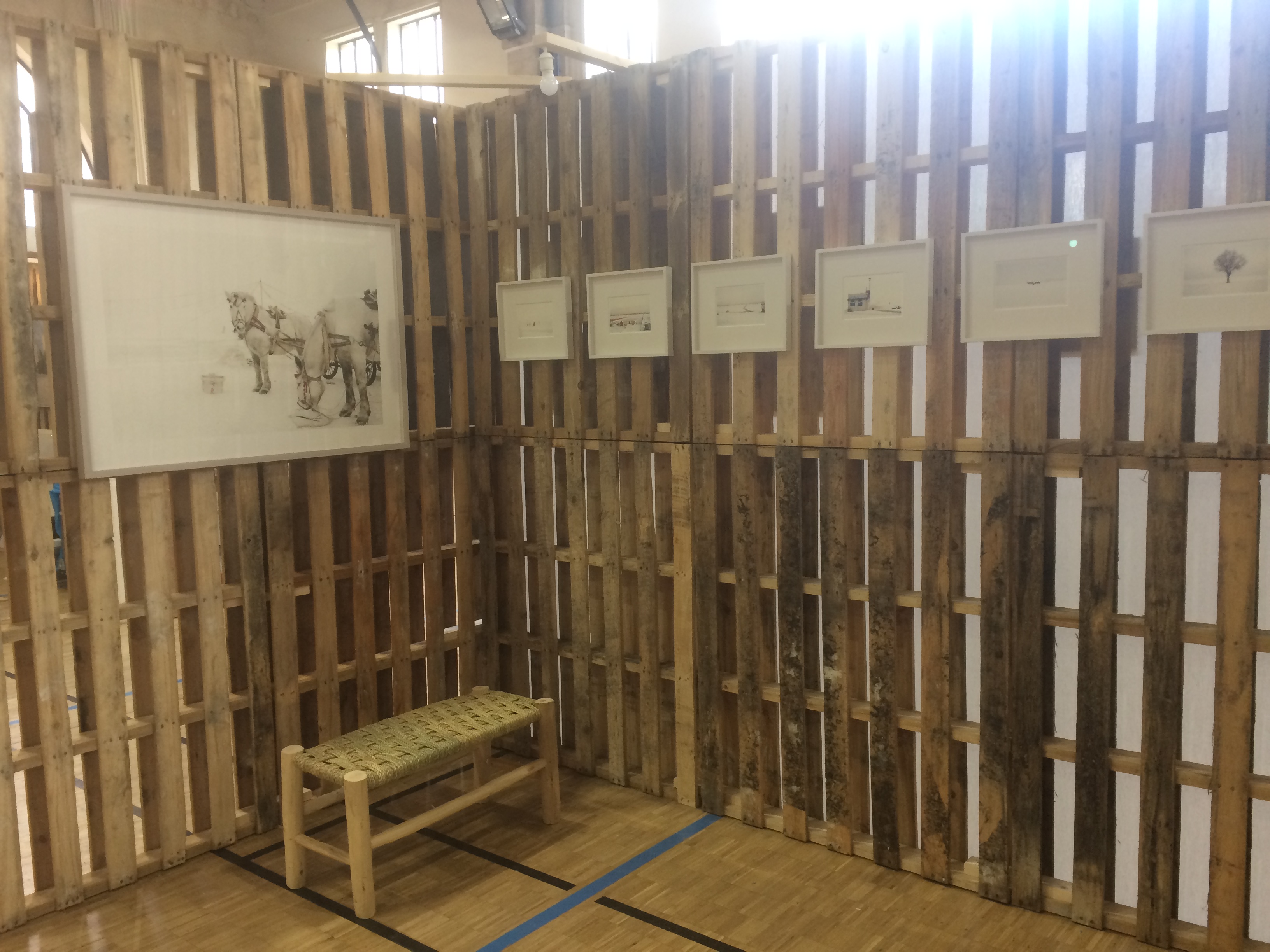
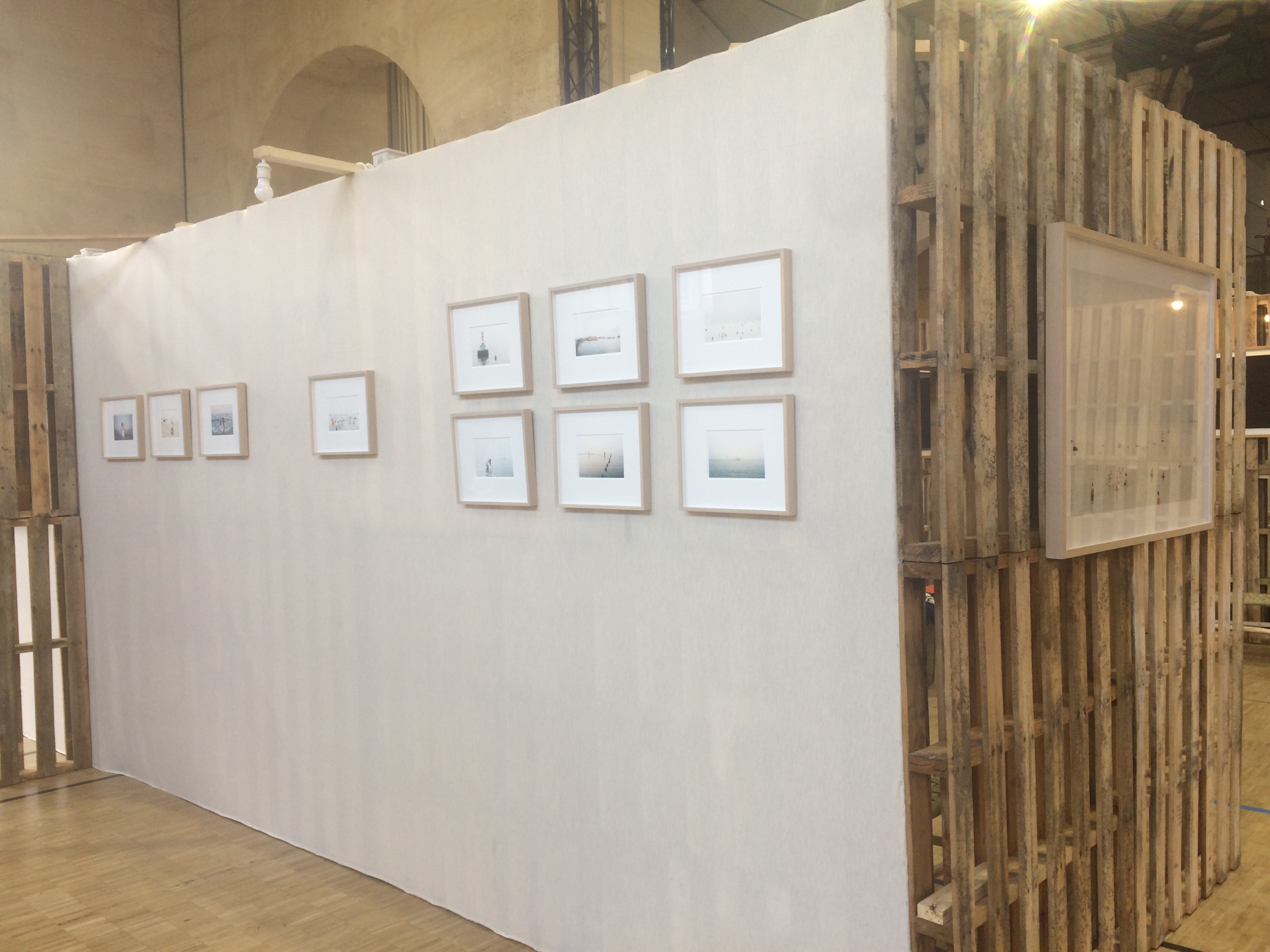
There are photographers — artists — who continually return to their craft; who deliberately narrow their field of vision in order to reveal the diversity of nuances within it. One might also think of painters such as Giorgio Morandi, who worked without ever leaving his studio, endlessly rearranging objects — often the same bottles and vases — so as to renew the encounters of forms and colors that inspired ever-different compositions.
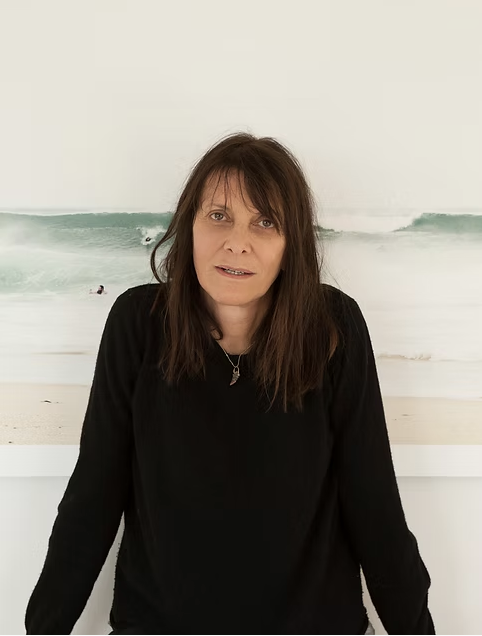
The photographer who works outdoors — a landscape photographer, as Catherine Henriette is — cannot physically intervene in the subject: it is given to her. She nonetheless has the possibility of experimenting with different angles of view, or of patiently waiting for the moment when light and color will shape the landscape in a new way. In his time, the painter Claude Monet proceeded methodically, choosing to set up a studio facing Rouen Cathedral or returning to place his easel before the same row of poplars.
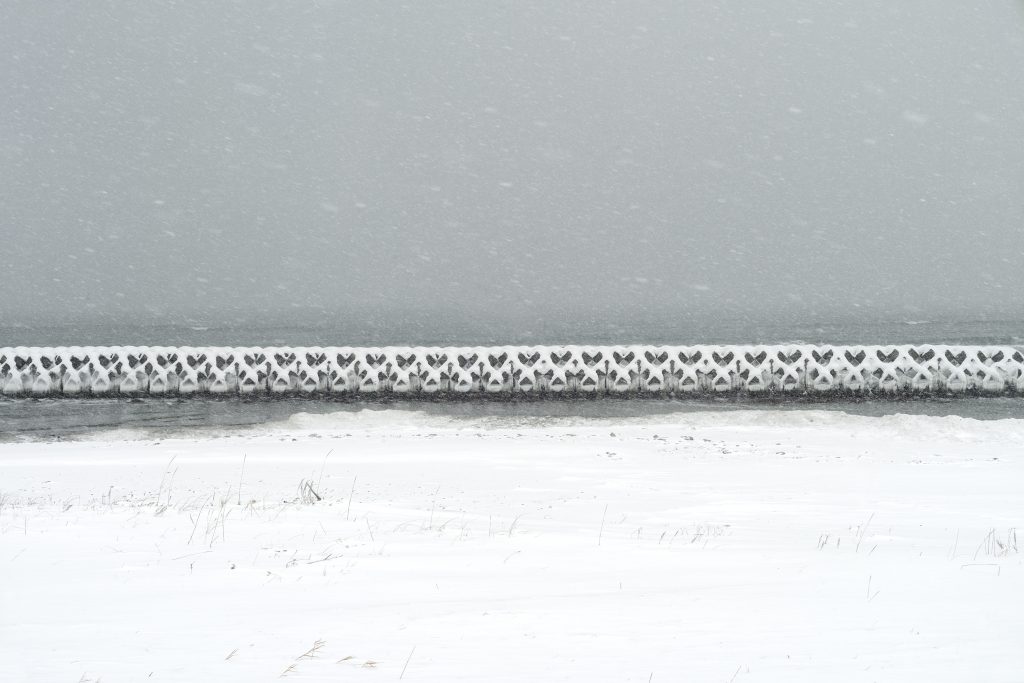
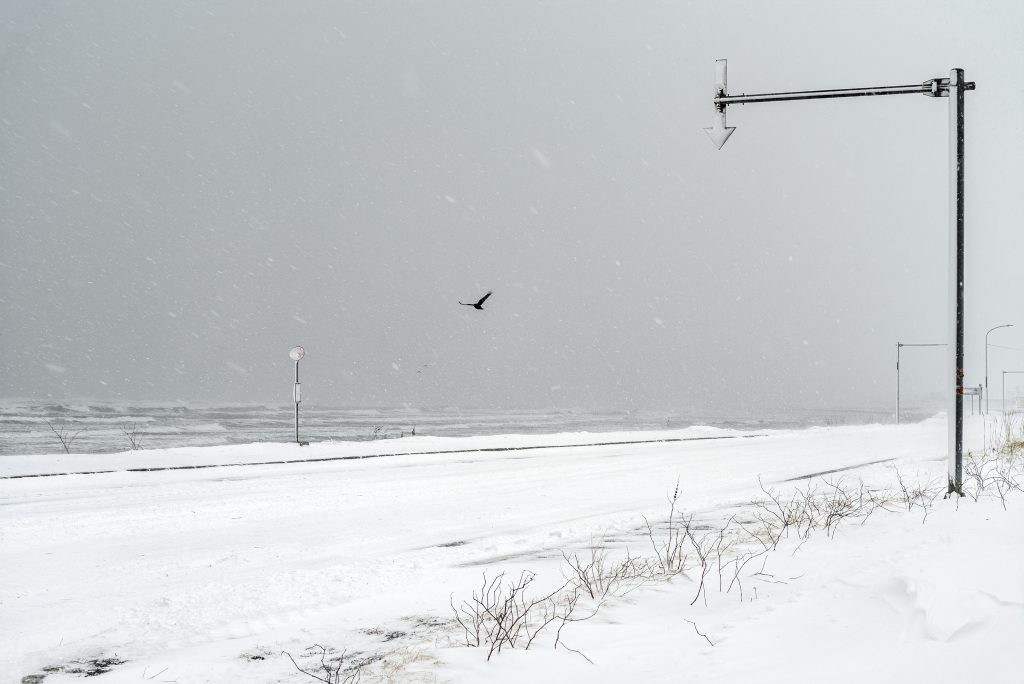
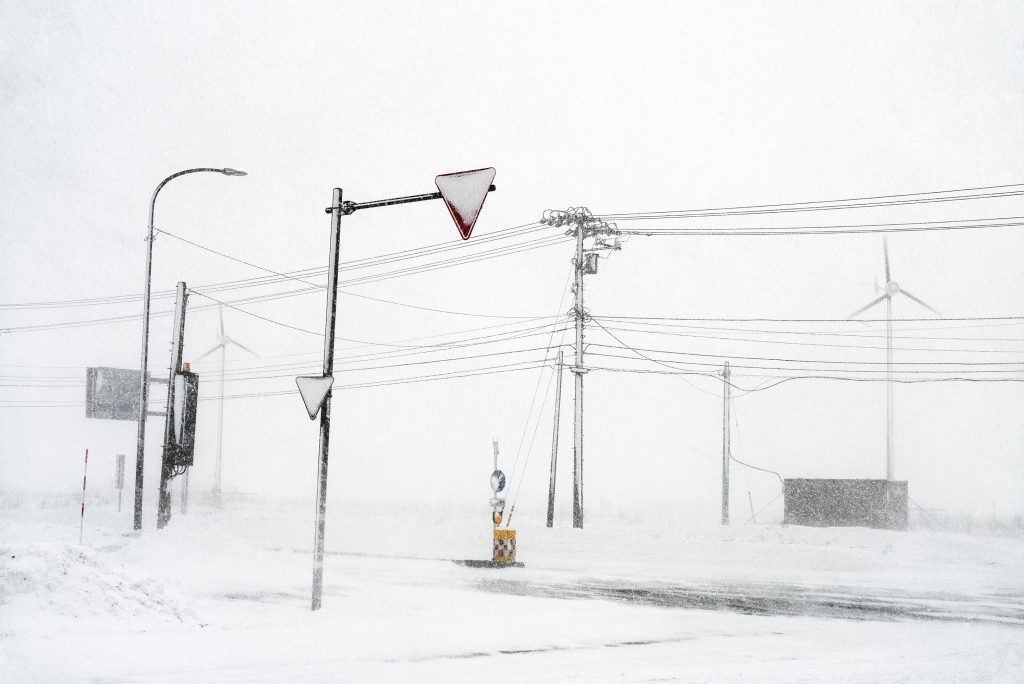
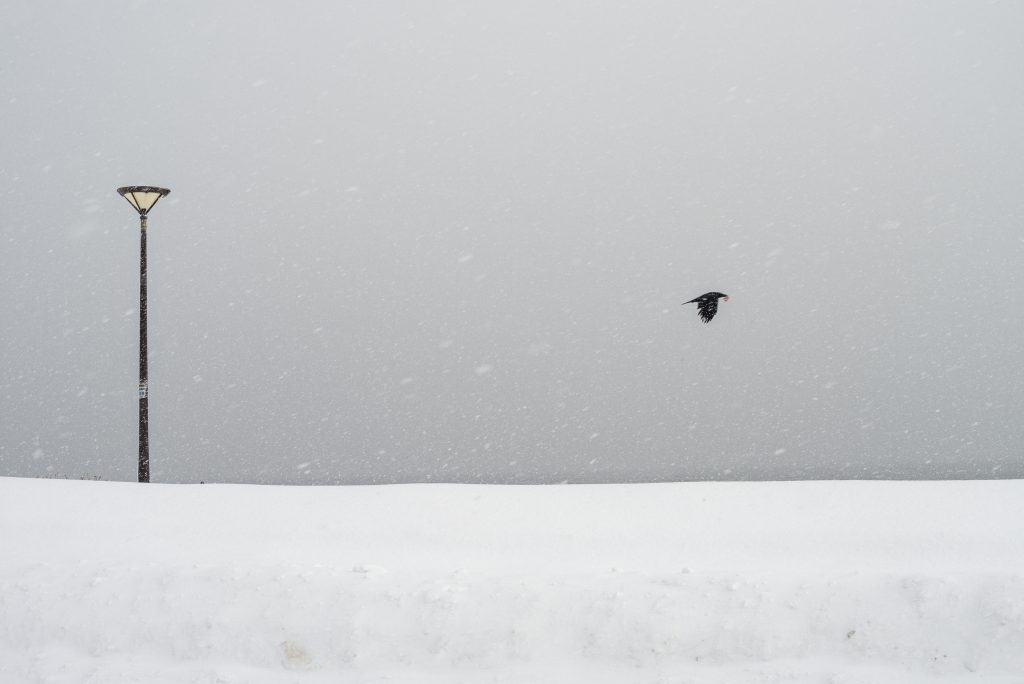
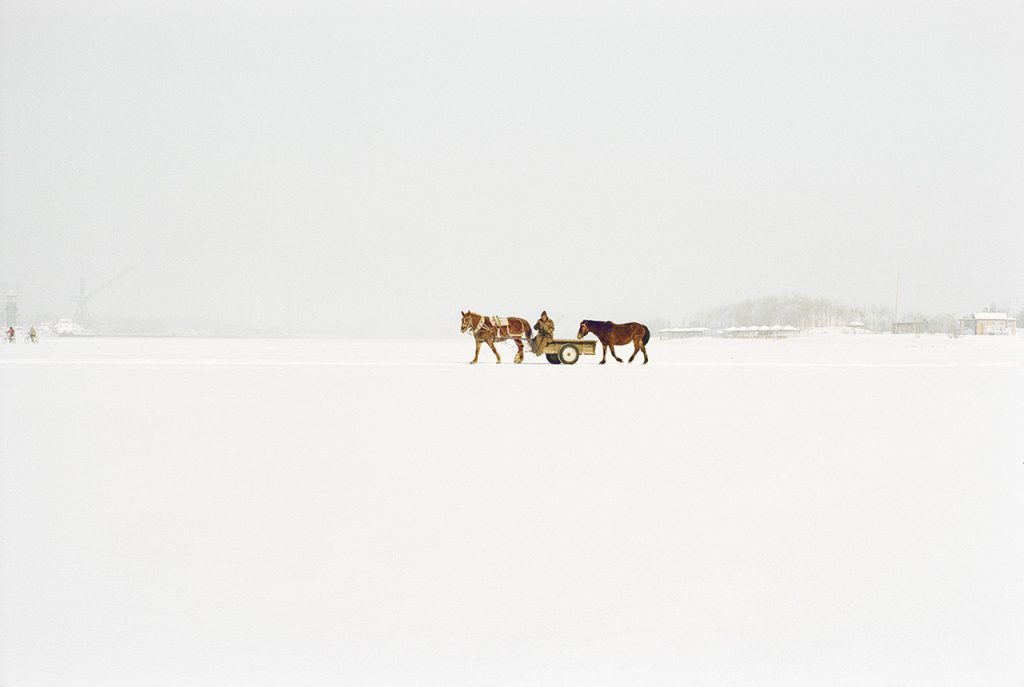
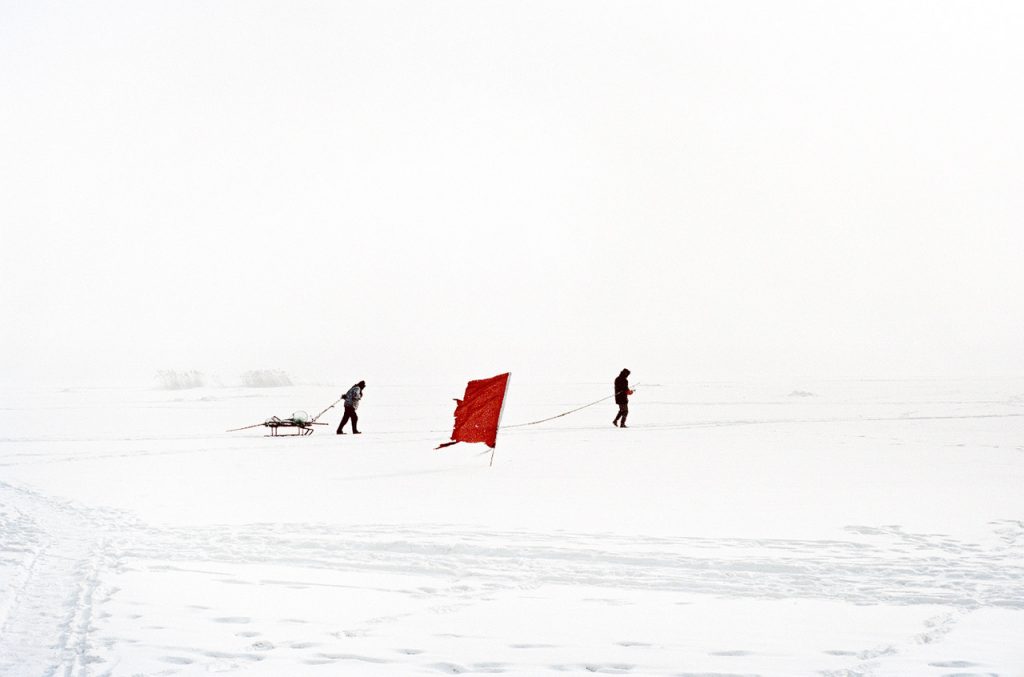
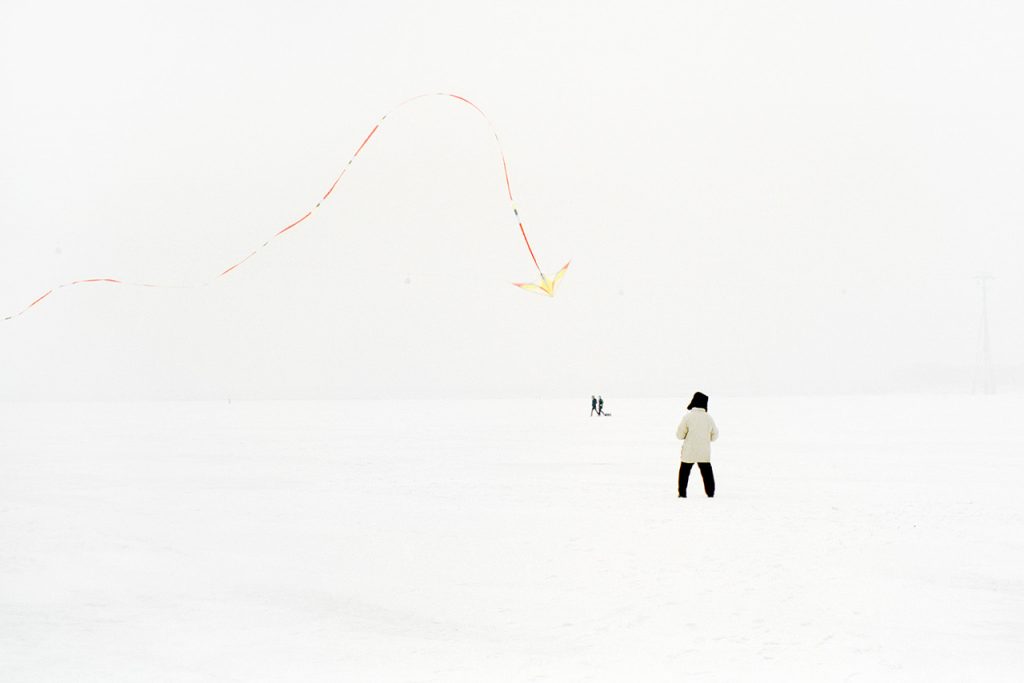
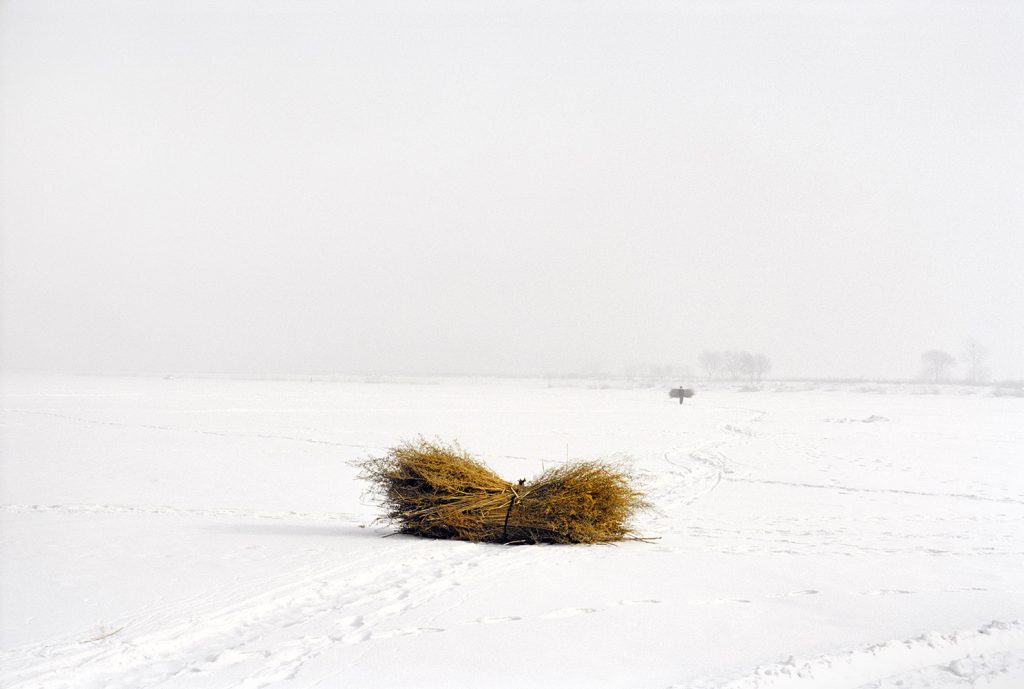
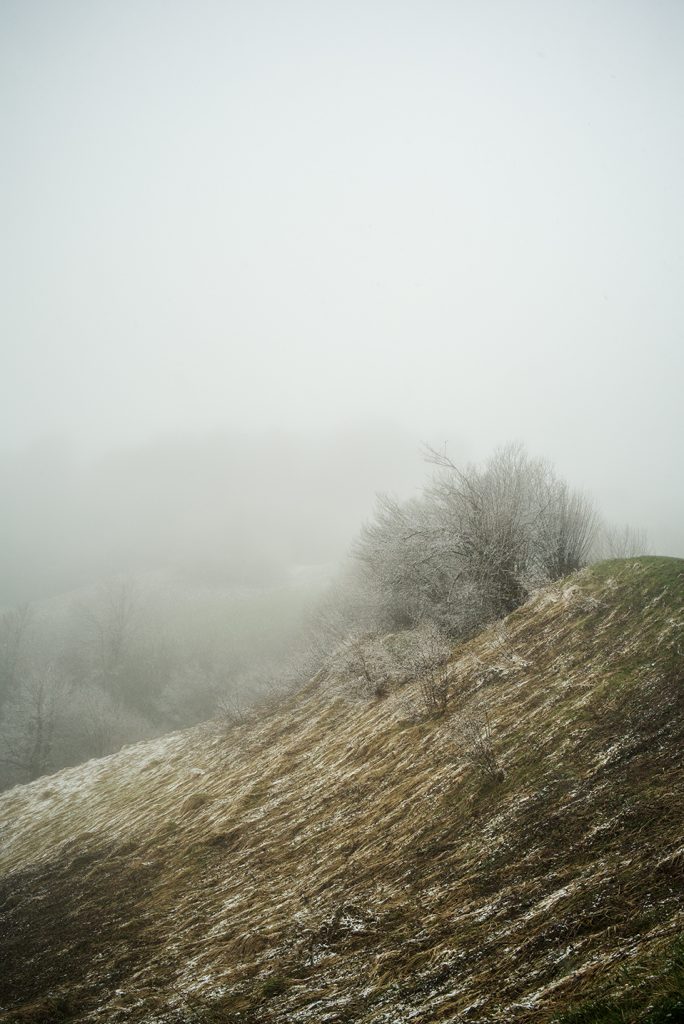
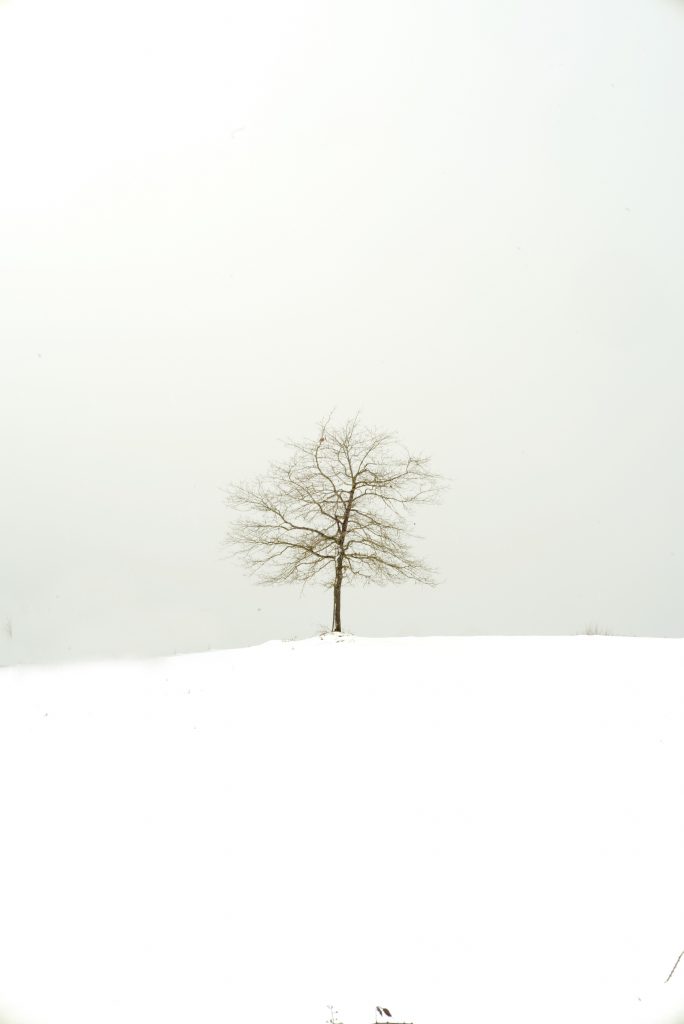
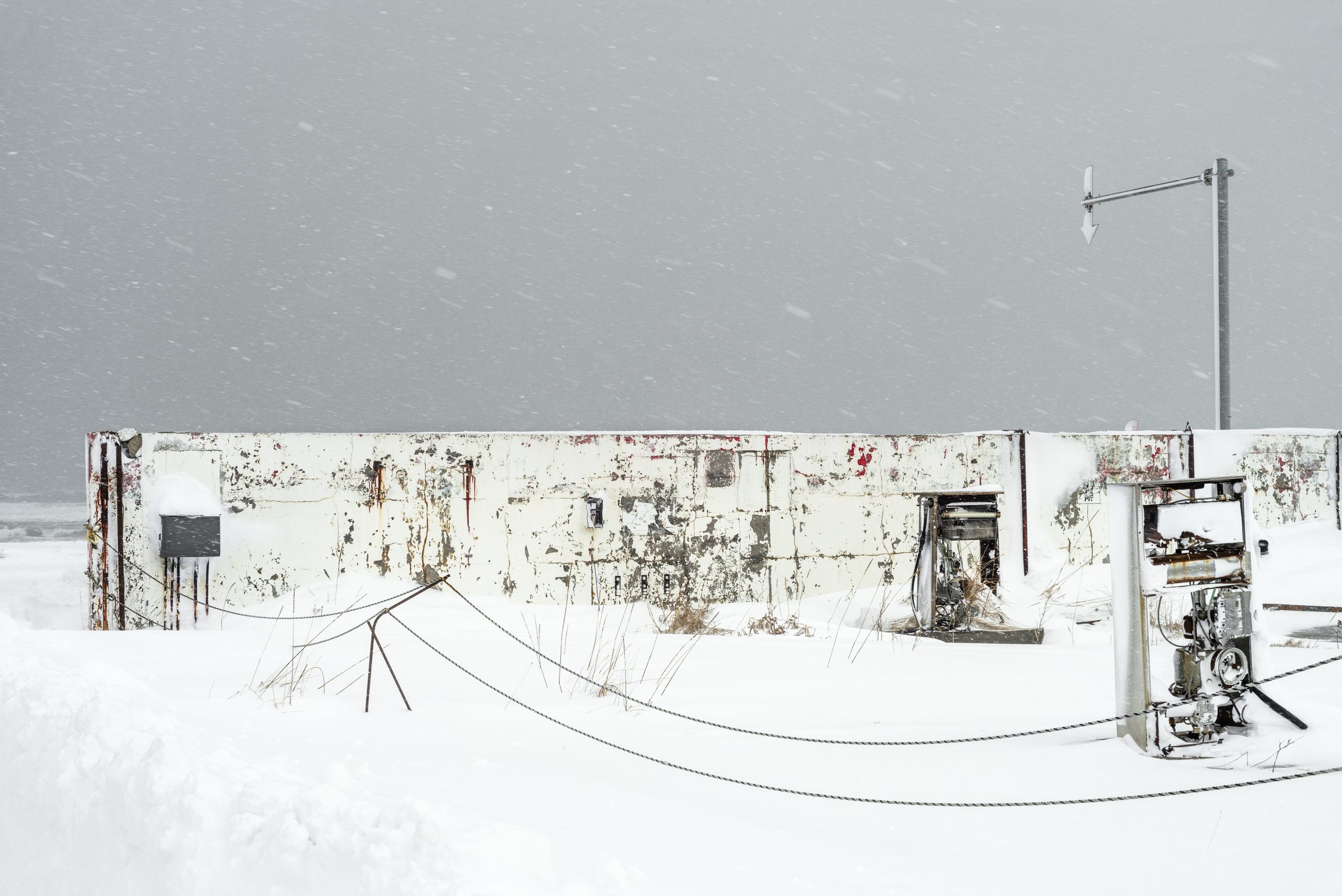
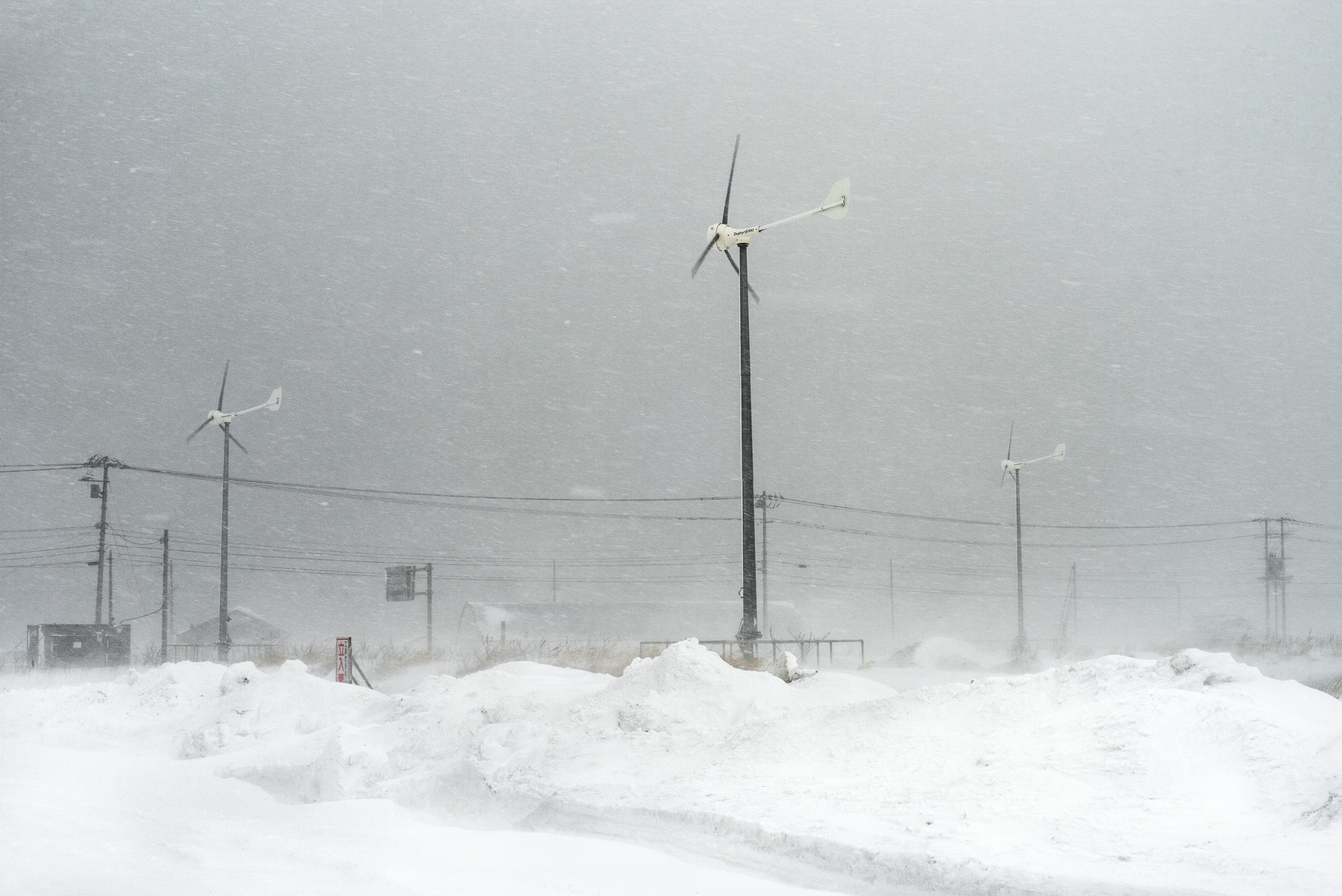
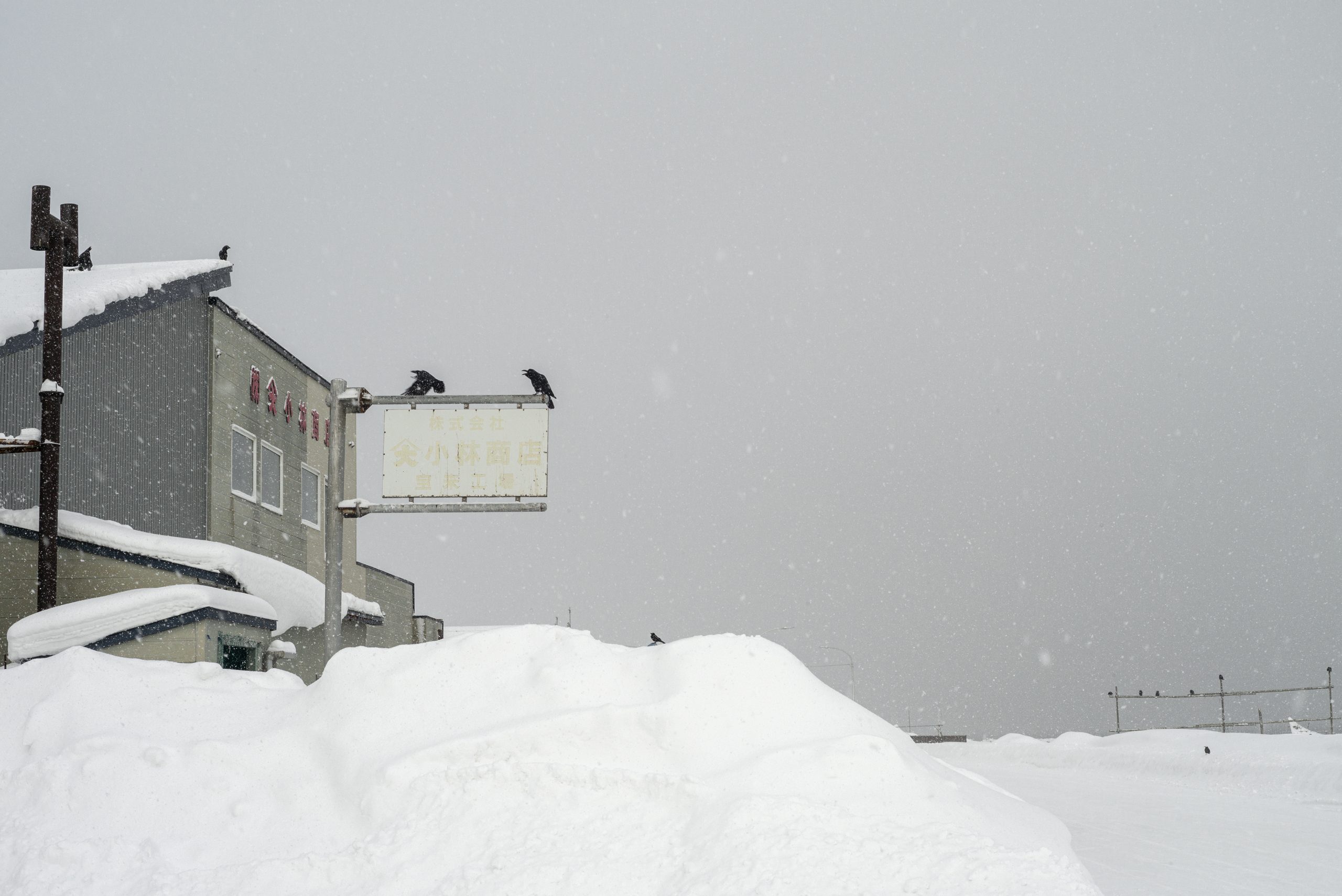
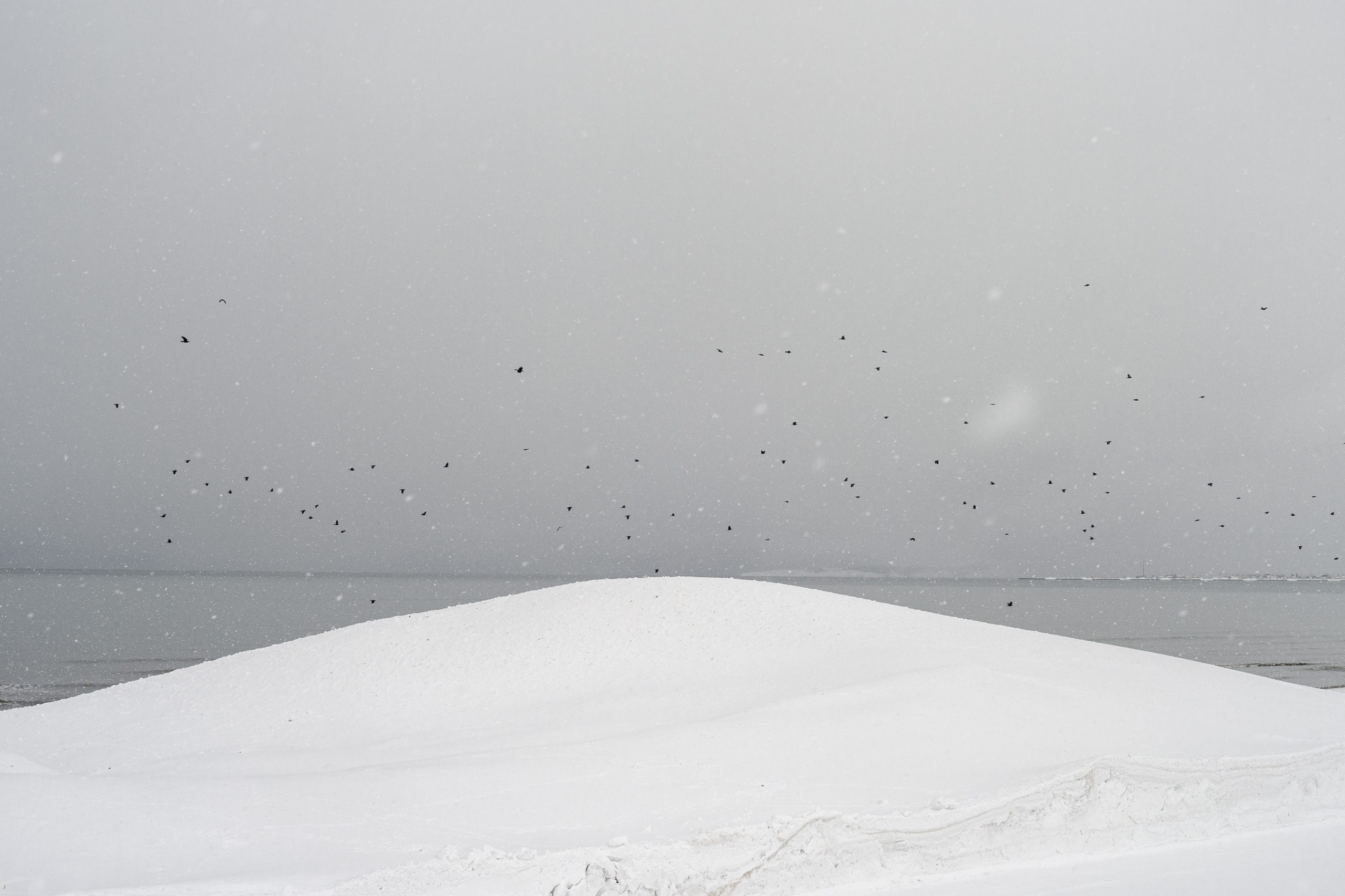
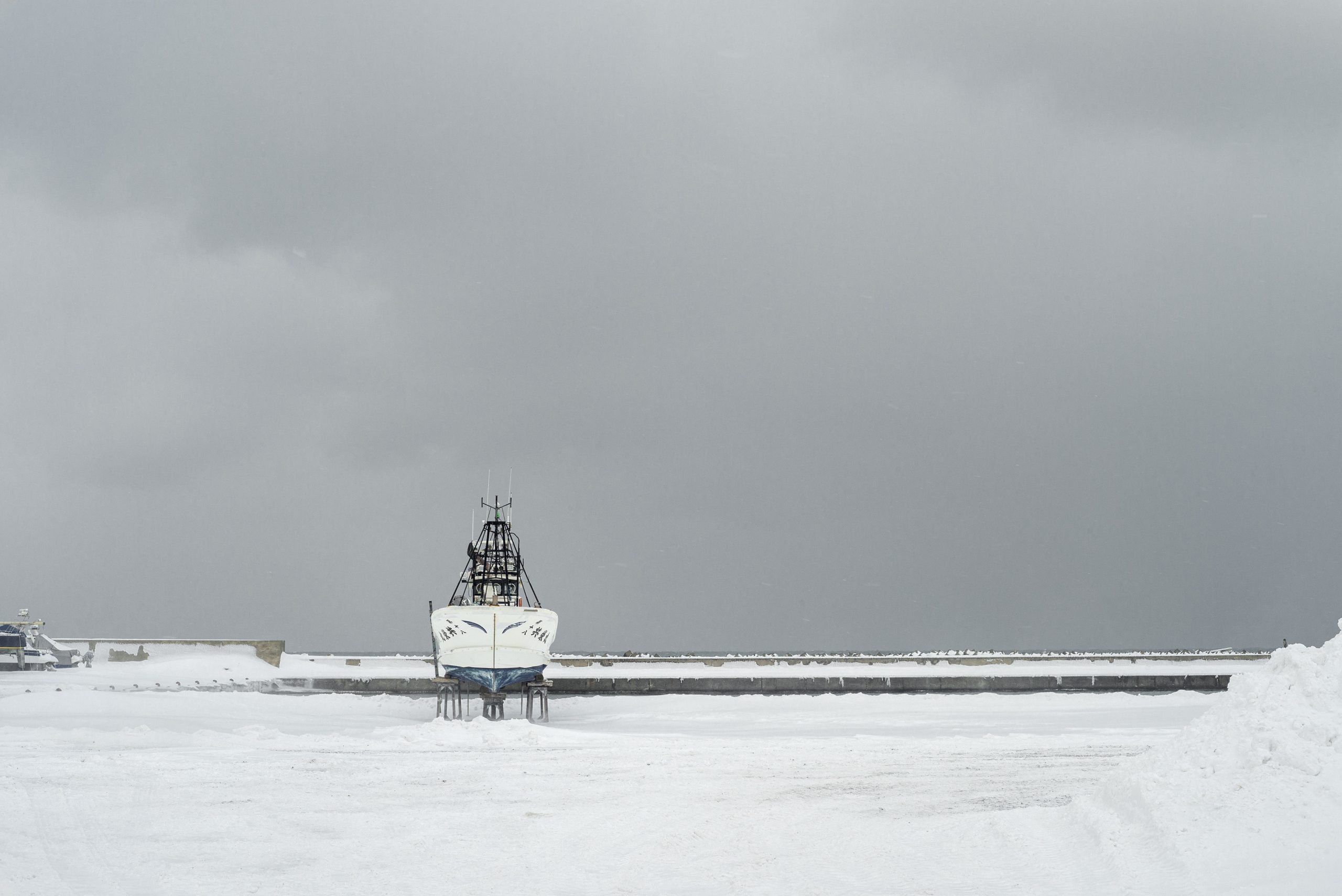
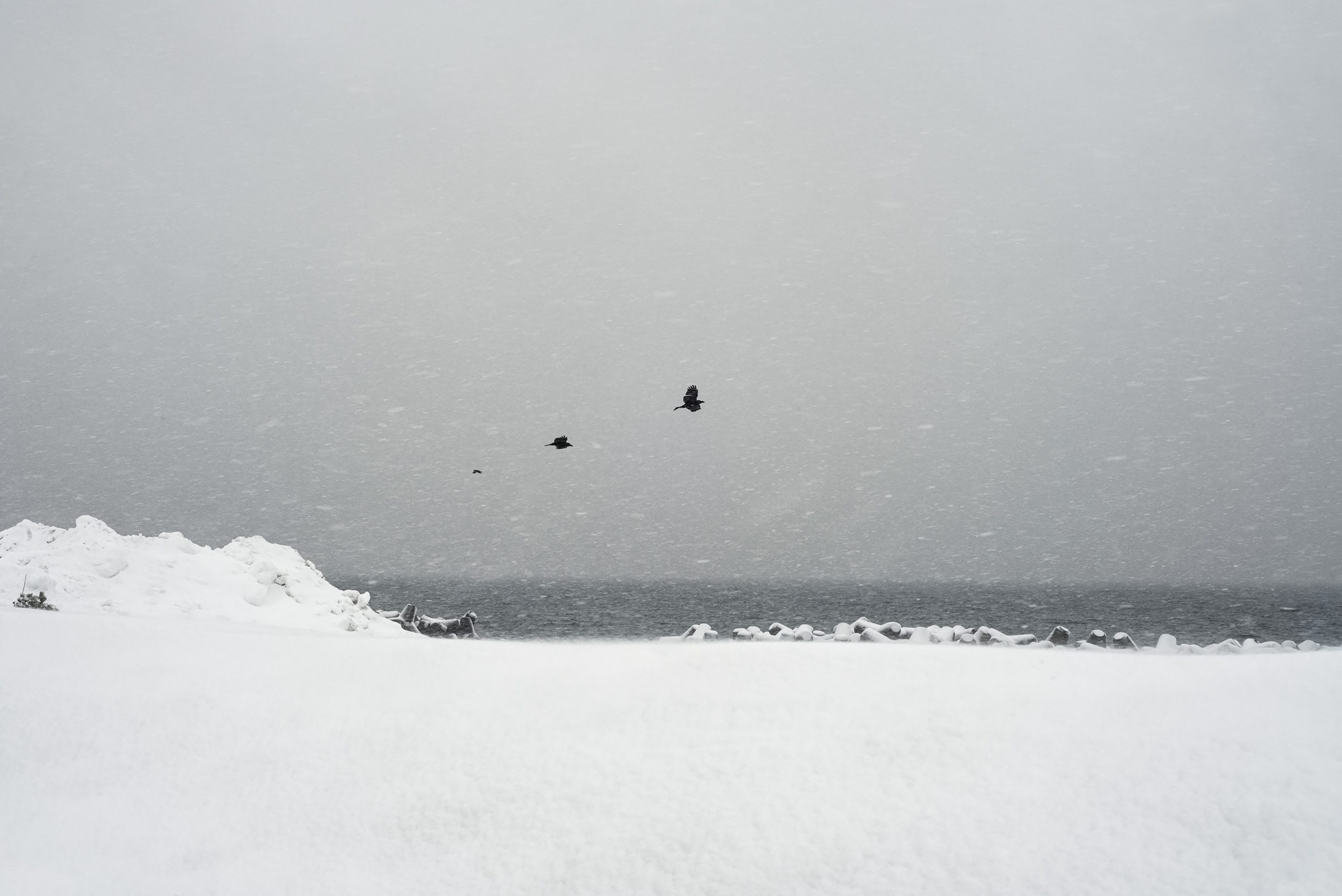
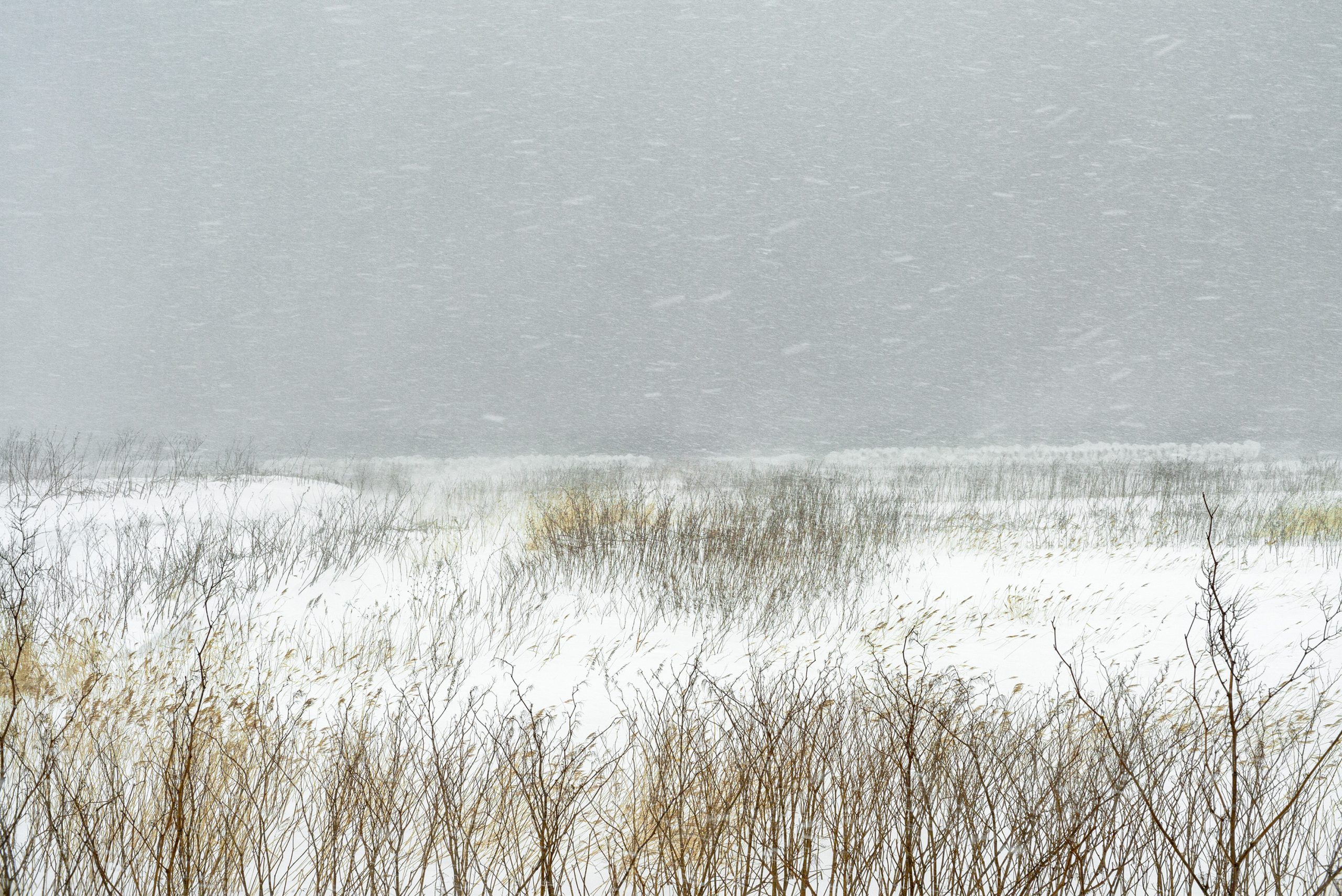
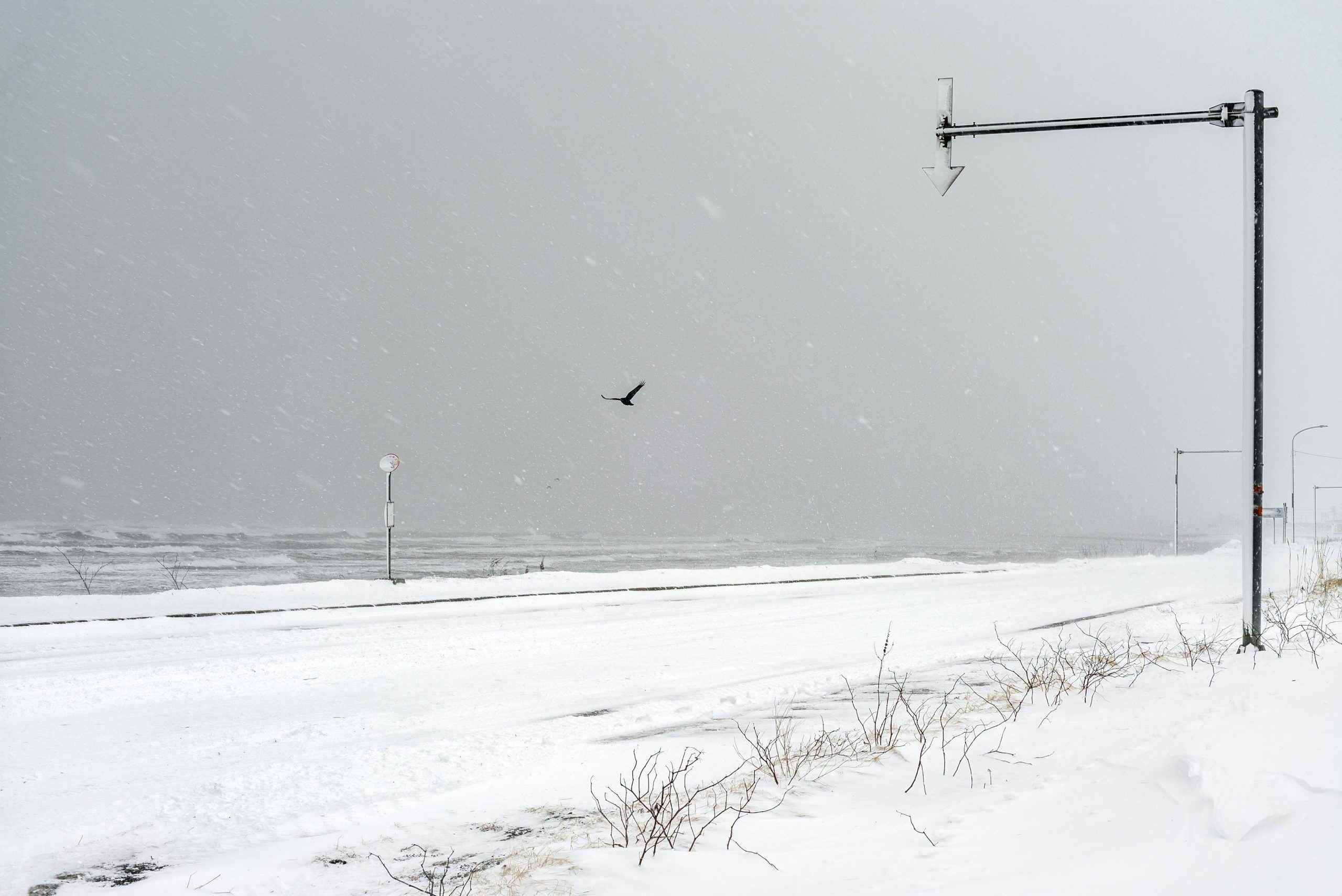
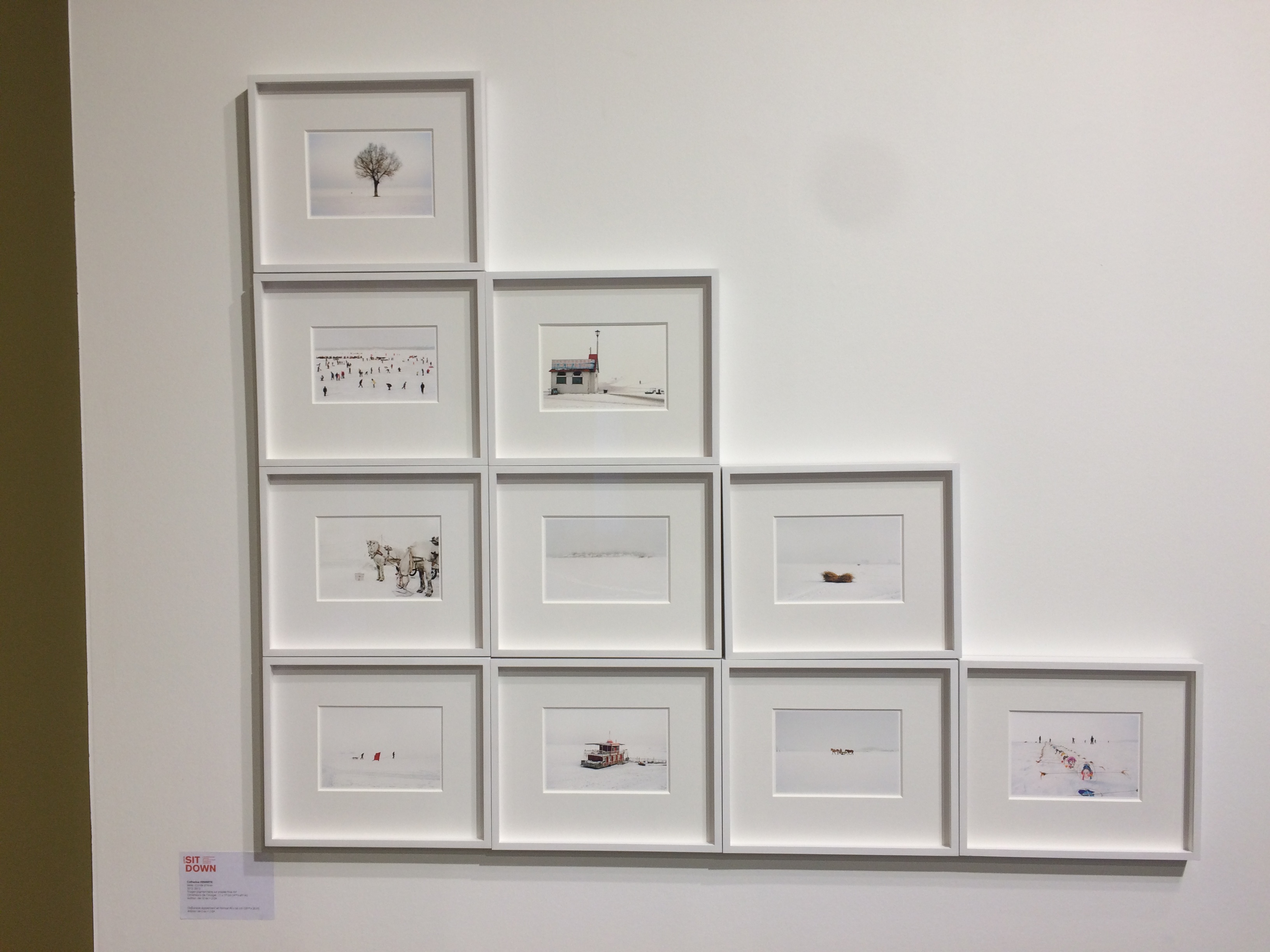
Catherine Henriette’s photography thus asserts itself through subtle formal qualities while also conveying sensations: emptiness, a world at a standstill, wrapped in silence, allowing one to imagine what the sound of snow might be. Yet this solitary experience may also be an opportunity for her to confront “a formidable encounter with oneself,” inviting her to “expand her inner space” — to borrow the words of writer Charles Juliet about the pictorial work of artist Fabienne Verdier. In such a universe, might the practice of landscape not be,Cl for her, the vehicle of an existential quest?
Gabriel Bauret (exhibition curator and author)