UPCOMING

Juste à côté
13 May – 25 July 2026
Opening reception in the presence of the artist on Tuesday, 12 May, from 6:00 pm to 9:00 pm
OUR NEWS
OFF-SITE
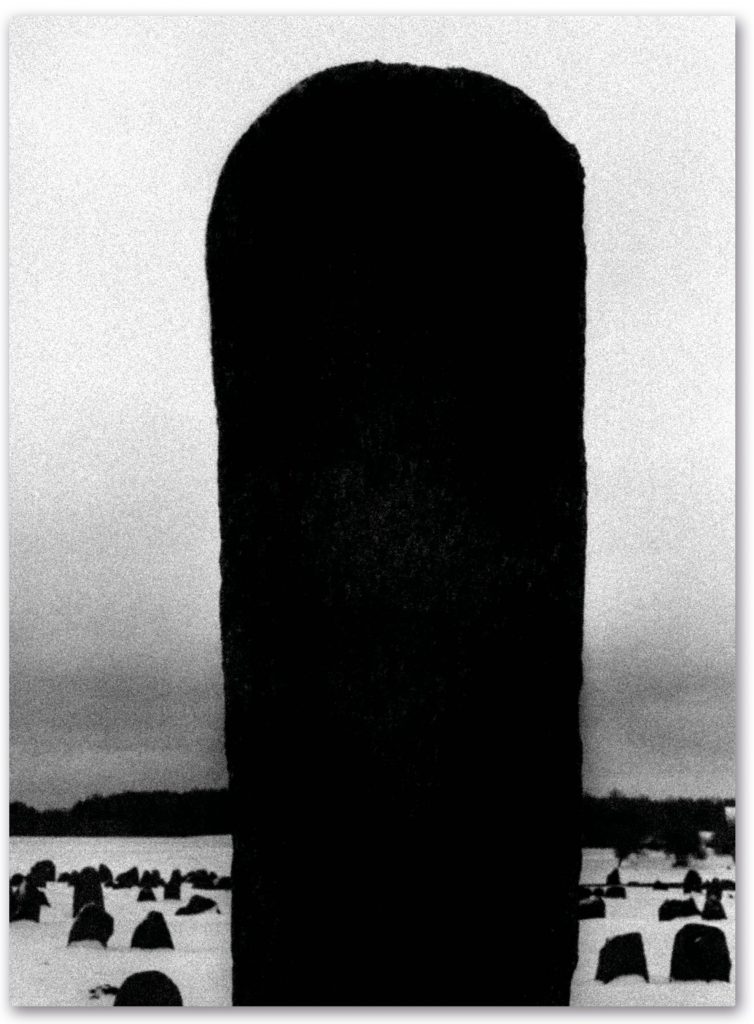
Between 2021 and 2024, Antoine Lecharny undertook a photographic project dedicated to the memory of the mass shootings of Jews in Eastern Europe and the Baltic states. In the absence of significant visible traces of these massacres, he photographed landscapes that had returned to a kind of relative banality, revealing the palpable erasure of History at work.
Located fifty kilometers from Niort, Sainte-Soline has become a symbol of citizen-led environmental opposition movements and of the broader social issues surrounding water use. In this rural commune, a fifteen-hectare rectangular basin had been excavated to hold 628,000 cubic meters of water. Pumped in winter, this reservoir was intended to irrigate the surrounding fields during the summer.
Today, with greater hindsight on the situation, following legal rulings and the publication of numerous texts by sociologists, agronomists, hydrologists, and geographers on the subject, it seems particularly relevant to document through photography the traces of these resistance movements, the repression they faced, and their ongoing forms of protest.
After five days of unprecedented wildfires during the summer of 2025, the Corbières massif in France was transformed into a vast landscape of scorched earth. Although the photographer has lived in Japan for the past twenty years, he is originally from this region and returned there to photograph what remained of a forest reduced to ashes. Influenced by the minimalism of early black-and-white Japanese prints, he used a paper filter over his camera lens and worked at night under artificial lighting.
PUBLICATIONS
Publisher: D’une rive à l’autre
Texts: Annette Becker
Photographs taken between 2022 and 2024 by Antoine Lecharny, in Eastern Europe and the Baltic countries, in cities and regions that, during World War II, were the sites of mass shootings of Jewish populations. A. Becker seeks to bring these victims back to these places through the use of all available sources—written, photographic, filmic, oral, or archaeological.
Publisher: Tonini Editore
Texts: Gaël Charbau
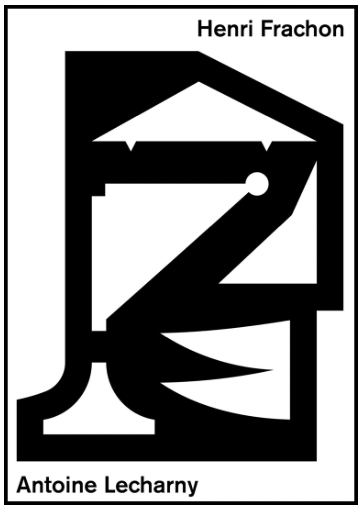
Henri Frachon and Antoine Lecharny have developed a practice focused on the observation and design of objects rather than their use. They outline the contours of an “abstract design” that shifts our attention toward the essence of a form. How does a hole behave? A hole within a hole? And how is it shaped?
Publisher: SUPER LABO
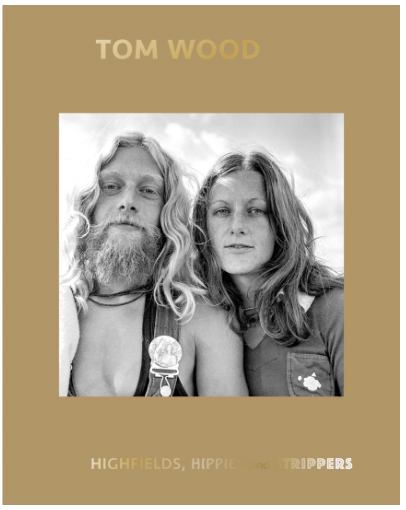
In 1976, during his final night in Leicester, Tom Wood moved between two worlds that seemed entirely opposed: a Working Men’s Club in Leicester and the Free People festival in Oxfordshire, capturing images with his Rolleicord. These photographs, taken at the very beginning of his career, reveal the same freedom of bodies and gazes, despite radically different contexts. Long confined to the status of archives, these images now reemerge as a singular body of work, revealing the unexpected coherence of a developing vision.